














The unspoken trials of a doctor’s life, between duty, death, and the desire to breathe

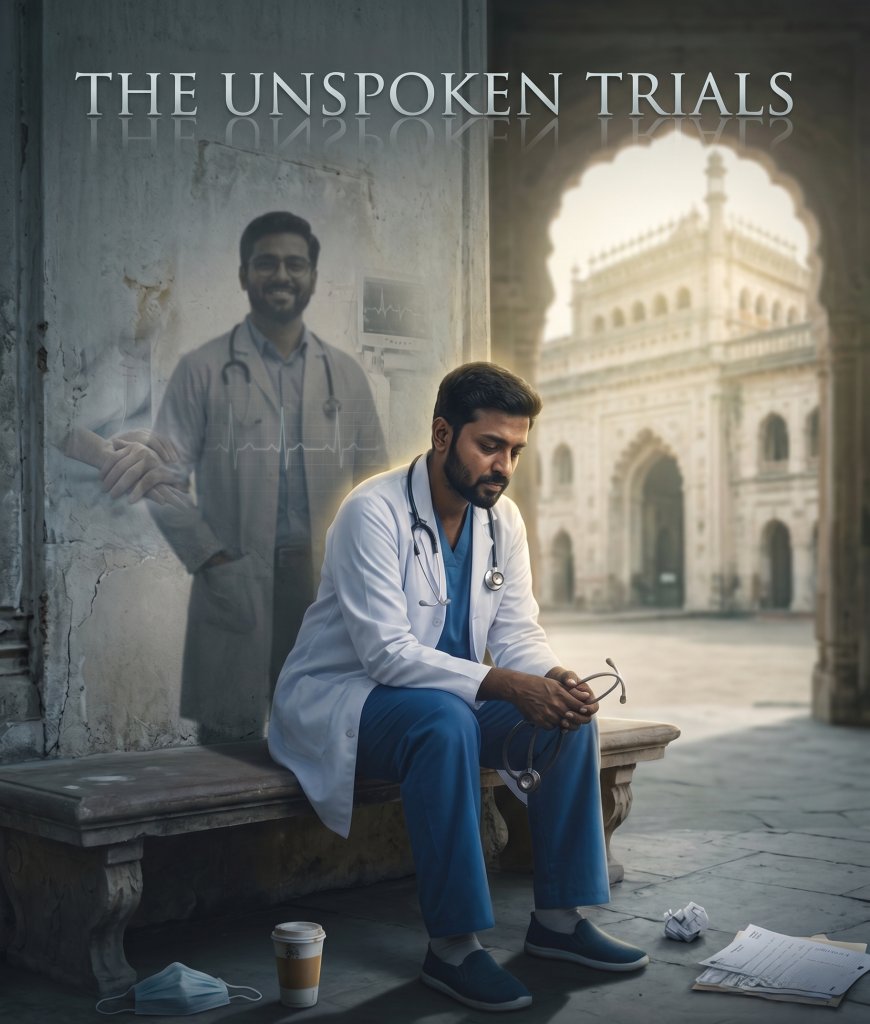
Every morning, a doctor walks into the hospital knowing one truth, nothing is certain. Behind the crisp white coat and stethoscope is a human being often torn between the weight of life and death? The patients see a saviour, but rarely the storms behind those calm eyes. Medicine is not just a career; it is a life constantly lived at the edge, where every breath saved is a miracle, and every life lost is a silent wound that never quite heals.
Doctors live in the most unpredictable realities. A seemingly stable patient may collapse in seconds. A hopeful treatment may end in a funeral. With every diagnosis, there’s a cloud of “what ifs.” The stress of dealing with critical cases, rare illnesses, and life-threatening emergencies isn’t something textbooks can prepare you for. It’s not just science, its instinct, constant decision-making under pressure, and emotional labour.
There’s a fear doctors live with, not of their own death, but that of the patient under their care. Watching a person slip away while you try to resuscitate them, having to look into the eyes of the family and say, “We did all we could,” is a pain only doctors know. But what’s worse is that when a patient dies, especially under critical circumstances, the doctor becomes vulnerable to blame. FIRs are lodged, police inquiries begin, and a professional who stayed awake for 72 hours trying to save a life is treated like a criminal.
Many see doctors as professionals, but few see their sacrifice. Countless nights are spent beside ICU beds, monitoring vitals, adjusting drips, checking reports. A patient’s sleep often comes at the cost of a doctor’s. They don’t sleep in beds but in chairs, lounges, or not at all. It’s not just physical exhaustion, its emotional depletion. Missing weddings, birthdays, funerals of their own loved ones becomes part of the job description, not by choice, but by necessity.
Doctors are often expected to be both skilled and saintly. When a family can’t afford treatment, it’s the doctor they turn to, hoping for empathy, discounts, or free care. While kindness is abundant in the medical world, doctors are not exempt from real-world economics. Hospitals have bills. Doctors have families. And yet, more often than not, they adjust, reduce fees, treat without charge, not for recognition, but because they know the value of a life. But the mental strain of this expectation, to perform miracles, offer charity, and never fail, is crushing.
The journey from junior resident to consultant is gruelling. Long hours, relentless rounds, academic pressure, exams, and practical experience shape a doctor’s growth. But with experience comes increased responsibility, and with it, heightened expectations. The higher one climbs, the less room there is to falter. Mistakes are not forgiven. A senior doctor carries not just their patient’s burden, but also those of juniors, colleagues, and systems that often fail to support them.
Behind every irritated, withdrawn, or exhausted doctor is a human who hasn’t had time to heal. Doctors miss out on friendships, relationships, family events, not because they’re antisocial, but because when duty calls, they must go. The emergency room doesn’t wait. A stroke patient doesn’t care if it’s Sunday. This unpredictability makes it nearly impossible for many doctors to sustain friendships or romantic relationships. They often return home to cold meals, empty homes, and unanswered messages.
The emotional residue of this profession is overwhelming. Watching children die. Performing CPR on a young accident victim. Breaking bad news to families again and again. These experiences stay etched in memory, surfacing on quiet nights. Over time, many doctors start to lose patience, with systems, with people, sometimes even with themselves. Burnout is real, and depression is common, yet rarely spoken about.
Despite the hardships, most doctors would still choose this life again. Not for money, not for prestige, but because of the indescribable joy of healing. The sparkle in a recovering patient’s eye, the “thank you” whispered by a family, the miracle of pulling someone back from the brink, these moments make it all worthwhile.
But society must do better. We must recognize the human behind the doctor. Protect them, respect them, support their mental health, and stop expecting perfection at all times. Because even heroes need healing.
Doctors are warriors without swords. Their battlegrounds are ICUs, their enemies are diseases, and their victories are quiet. But behind every life they save is a piece of themselves they lose. It's time we saw them not just as life-savers, but as humans, vulnerable, tired, loving, and doing their best every single day.
DR.ABHISHEK SHUKLA
SENIOR GERIATRICIAN
ASTHA OLD AGE HOSPITAL
What's Your Reaction?