




















Ghastly case inspires Raakh: The Haunting of Ranga-Billa

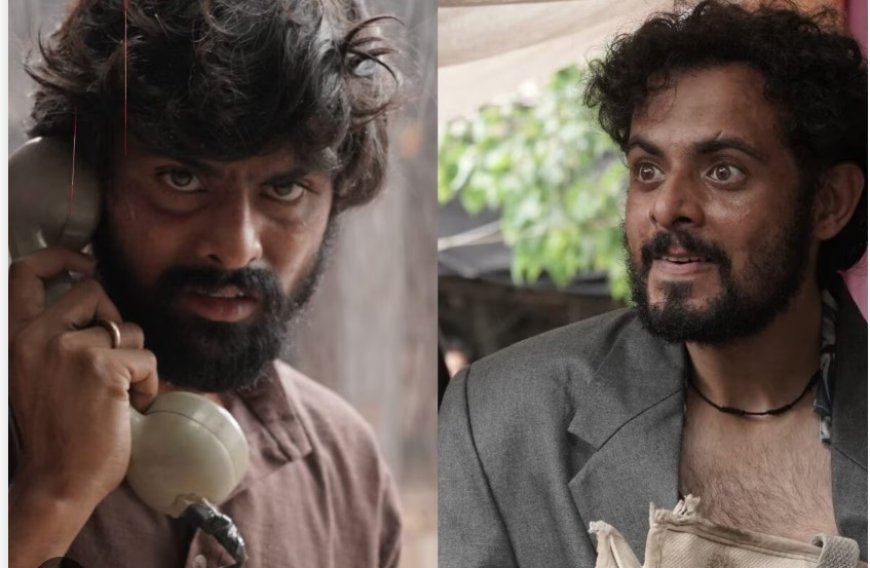
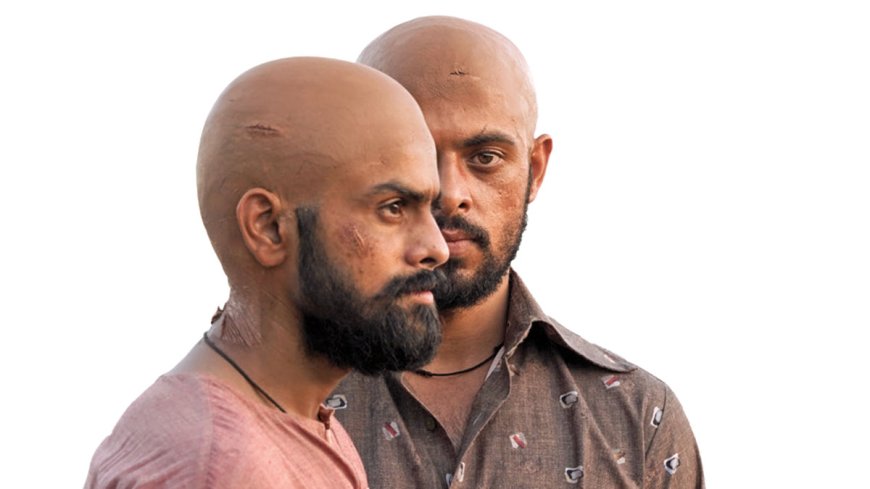
In the late summer of 1978, the capital city of India was shaken by a crime so profound that it permanently altered the collective psyche of urban society. The kidnapping and murder of teenage siblings Geeta and Sanjay Chopra did more than just expose the terrifying underbelly of urban crime; it fundamentally reshaped Indian policing, forensic investigation, and public safety. Decades later, as modern media revisits the tragedy, the narrative remains an enduring study of vulnerability, predatory violence, and the ultimate triumph of the legal system.
A Confluence of Criminal Instincts
The perpetrators behind this nightmare were Kuljeet Singh, known as Ranga, and Jasbir Singh, better known as Billa. Neither was a novice to the criminal world. Ranga was a physically imposing former truck driver with a history of petty offenses, while Billa possessed a far more volatile temper and a darker record, including suspected links to violent crimes in Mumbai.
Brought together by a mutual acquaintance who believed Ranga’s immense physical strength would complement Billa’s ruthless criminal instincts, the duo formed a lethal partnership. They operated not out of a grand criminal mastermind strategy, but from a crude, predatory desire to target vulnerable individuals for quick financial gain through ransom.
The Fateful Encounter at AIIMS
On the evening of August 26, 1978, sixteen-year-old Geeta and her fourteen-year-old brother Sanjay, children of a respected naval officer, left their south Delhi home. Bound for a music broadcast commitment and a subsequent movie, they stood near the All India Institute of Medical Sciences, looking for transport. When a white Fiat pulled up offering a lift, the unsuspecting siblings stepped inside.
Suspicion soon replaced comfort as the two men began asking probing questions about their family background while systematically deviating from the known route. Realizing they were trapped, the children resisted, but what began as an opportunistic ransom kidnapping quickly degenerated into a horrific escalation of violence.
Tragedy on Upper Ridge Road
The attackers drove the siblings to a secluded, densely forested stretch along Delhi’s Upper Ridge Road. In the darkness of the scrub jungle, the duo subjected the teenagers to immense brutality. The situation turned even more perilous when the criminals discovered that the children’s father was a senior officer in the Indian Navy.
Fearing that high-profile military intervention would complicate ransom collection and trigger an unprecedented manhunt, Ranga and Billa chose to eliminate the witnesses. The siblings were murdered in cold blood, and their bodies were concealed in the undergrowth. Two days later, a local cattle grazer stumbled upon the grim scene, igniting a wave of public grief and national outrage.
A Nationwide Manhunt and Capture
The Delhi Police Crime Branch faced monumental pressure to resolve a case that had paralyzed the city with fear. The breakthrough came through a mix of public vigilance and classic detective work. A sharp-eyed witness provided crucial details regarding the vehicle, and photographs of suspects were widely circulated in national dailies.
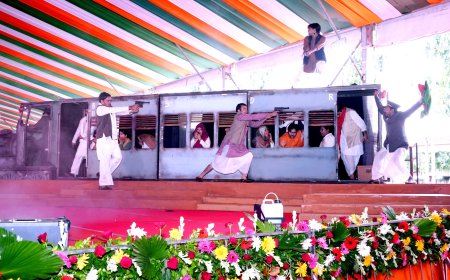
The ensuing dragnet extended across state borders, eventually involving the Indian Army. On September 8, 1978, the flight of the fugitives ended abruptly on the Kalka Mail train near Agra. Recognized by alert passengers and military personnel on board, Ranga and Billa were overpowered and arrested, bringing a swift end to their run from the law.
Retribution at the Gallows
The subsequent trial was swift and unsparing. Charged under various sections of the Indian Penal Code for kidnapping, sexual assault, and murder, the duo faced overwhelming forensic and circumstantial evidence. The trial court handed down death sentences, a verdict subsequently upheld by the Supreme Court of India in 1981, which labeled the crime as an act of exceptional depravity.
On January 31, 1982, both men were executed at Tihar Jail. Contemporary accounts from prison officials noted the starkly contrasting behavior of the two in their final moments—Billa met his end in relative silence, while Ranga actively resisted. Unclaimed by any family members, their deaths marked the closing of a dark chapter in the city's legal history.
The Enduring Institutional Footprint
The sacrifice of Geeta and Sanjay Chopra left an indelible mark on Indian society. Posthumously awarded the Kirti Chakra for their immense bravery in resisting their captors, their legacy was institutionalized through the creation of national children's awards for courage.
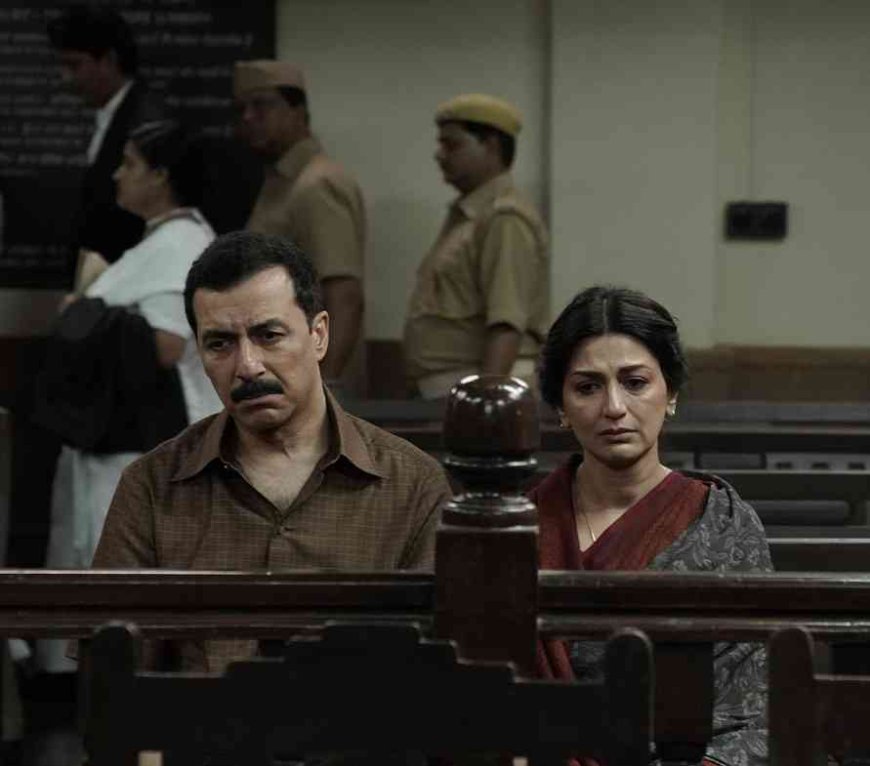
For the legal and investigative ecosystem, the case became a textbook study that advanced forensic methodologies, inter-agency coordination, and witness protection protocols. More than a mere historical footnote, the Ranga-Billa case remains a stark reminder of the banality of evil, serving as a permanent warning of how random encounters can shatter lives, and why a vigilant society must always protect its youth. Decades later, the 2026 series Raakh revisits this darkness, focusing on investigation, grief, and resilience. It humanizes the victims and investigators
What's Your Reaction?