



















Operation Absolute Resolve: The Night the Hemisphere Changed
Operation Absolute Resolve: The Night the Hemisphere Changed

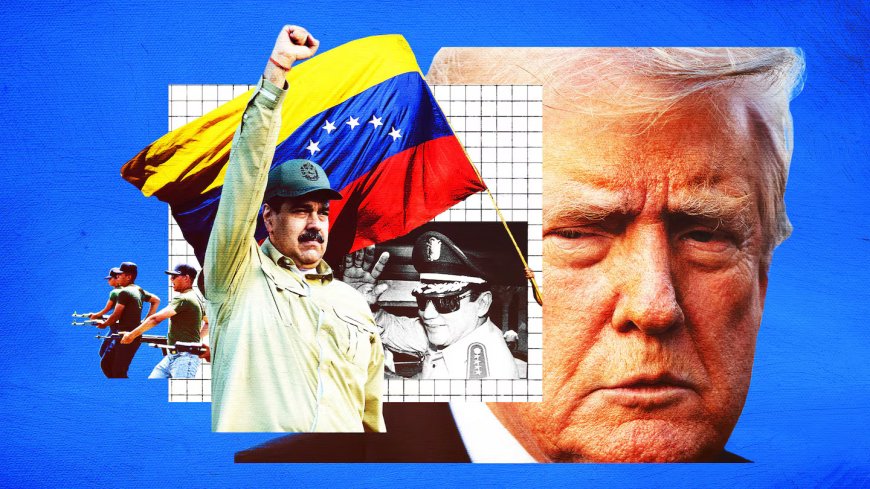
Washington: By early January 2026, the geopolitical map of the Western Hemisphere had been violently—and irreversibly—redrawn.
In the predawn hours of January 3, the United States executed what many analysts would later describe as the most audacious military operation of the 21st century. Codenamed Operation Absolute Resolve, the mission ended with the capture of Venezuelan President Nicolás Maduro and his wife, Cilia Flores—an unprecedented seizure of a sitting head of state that marked a dramatic escalation in U.S. foreign policy under President Donald Trump.
Framed by Washington as a decisive blow against narco-terrorism, the operation unfolded with surgical precision. Elite American forces penetrated deep into Caracas, dismantled Venezuela’s air defenses, and extracted the country’s leader in a matter of hours. Maduro, long indicted by the U.S. Department of Justice on charges of conspiring to traffic cocaine into the United States, was swiftly extradited to New York to face trial.
What stunned the world was not merely the outcome, but the sophistication behind it. Operation Absolute Resolve was not an impulsive strike—it was the culmination of months of intelligence gathering, legal positioning, and relentless military rehearsal.
The Long Shadow Before the Strike
The groundwork was laid quietly in mid-2025. With the U.S. embassy in Caracas shuttered for years, CIA operatives entered Venezuela without diplomatic cover, embedding themselves deep within the capital. Their mission was exhaustive surveillance: tracking Maduro’s movements, mapping his security details, and identifying his rotating network of safe houses.
Human intelligence proved decisive. A senior insider close to the presidential circle reportedly provided granular details about Maduro’s daily routines, confirming that he rotated between six to eight fortified locations. This information was fused with data from stealth drones that slipped undetected through Venezuelan airspace, relaying live imagery back to U.S. planners.
Thousands of miles away, at a classified facility in Kentucky, Joint Special Operations Command constructed a full-scale replica of Maduro’s primary compound. Delta Force operators rehearsed endlessly—breaching reinforced doors, clearing corridors, and executing timed extractions down to the second. The mission doctrine was simple: speed, surprise, and disappearance.
Crucially, the operation was framed as a law-enforcement action, not regime change. Maduro’s standing U.S. indictment provided the legal scaffolding, though critics would later argue that the distinction existed largely on paper.
Diplomacy flickered briefly. In late December 2025, back-channel discussions reportedly explored the possibility of Maduro accepting exile in exchange for economic concessions tied to Venezuela’s oil sector. Talks collapsed. By Christmas, President Trump had authorized the operation, delaying execution only due to unfavorable weather conditions.
Timing was everything. The holiday season had thinned Venezuela’s military readiness, with senior officials traveling and many units operating at reduced strength.
Darkness Over Caracas
The operation commenced on the evening of January 2.
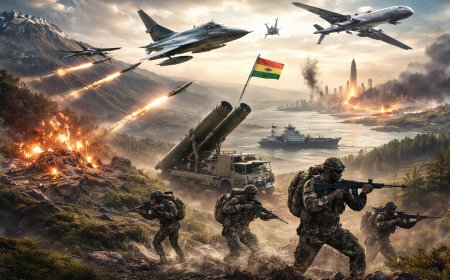
At approximately 4:30 p.m. Eastern Time, a vast armada stirred into motion. More than 150 U.S. aircraft—fighters, bombers, drones, and helicopters—launched from over 20 regional bases and naval platforms. Electronic warfare planes struck first, crippling communications. Cyber units followed.
Caracas went dark.
A coordinated cyberattack disrupted the capital’s power grid, blinding radar systems and plunging large sections of the city into blackout. Under this electronic veil, U.S. warplanes dismantled radar installations, anti-aircraft batteries, and command-and-control centers.
For nearly two and a half hours, explosions lit the Venezuelan night. Social media videos captured flashes across the skyline, though U.S. officials later insisted the strikes targeted infrastructure rather than population centers. Still, the human cost was real. At least 40 Venezuelans—military personnel and civilians—were reported killed.
By the time the strikes ceased, Venezuela’s air defenses had effectively ceased to exist.
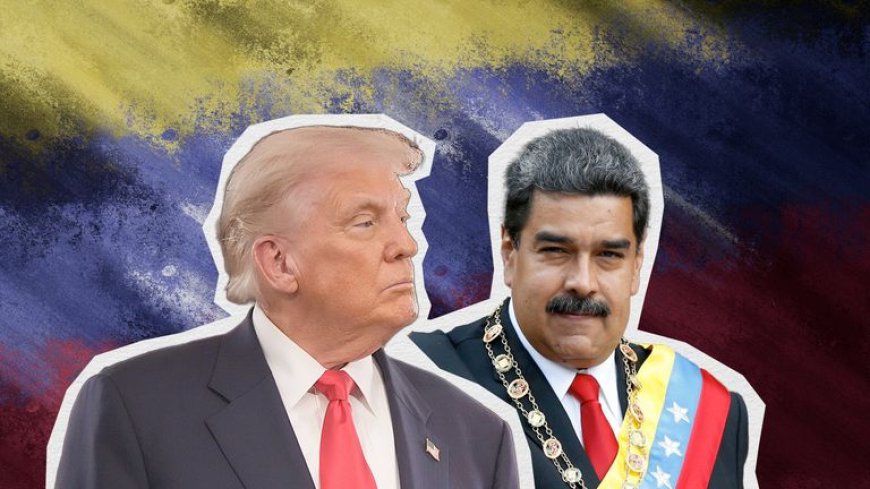
Six Minutes That Changed History
At 2:01 a.m. local time, the final phase began.
Helicopters from the 160th Special Operations Aviation Regiment—the legendary Night Stalkers—skimmed low over the capital, landing Delta Force operators inside a fortified compound where intelligence confirmed Maduro was present. Explosives shattered steel doors. Rooms were cleared in rapid succession.
Maduro and Flores attempted to retreat into a reinforced safe room. They never made it.
By 2:06 a.m., Nicolás Maduro was in U.S. custody.
Extraction was immediate. The detainees were flown to the USS Iwo Jima off Venezuela’s coast, transferred to Guantánamo Bay, and then onward to a secure military airfield near New York.
President Trump reportedly watched the operation unfold live, later praising the forces involved for “absolute precision.”
Aftershocks
On January 5, Maduro appeared in a New York courtroom under heavy guard, facing charges that could result in life imprisonment. Washington declared it would oversee Venezuela’s stabilization and energy revival. In Caracas, Vice President Delcy Rodríguez was sworn in as interim leader amid warnings from the United States.
What's Your Reaction?