








Eat Like a Nawab, Waddle Like a Commoner: The Ultimate Lucknow Binge
Old Lucknow: A Foodie Trail Through the City of Tehzeeb

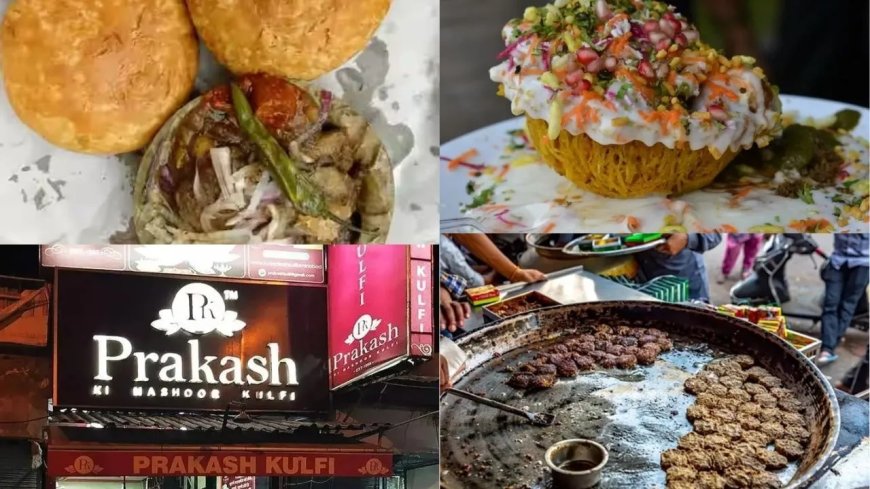
Lucknow: Lucknow does not merely feed you; it seduces you. The air is spiced, fragrant with saffron and the aroma of kebabs sizzling on iron griddles. Somewhere, a massive deg hums as it simmers for hours. In the winding lanes of Chowk, Aminabad, and Akbari Gate, time bends. The 21st century knocks politely but rarely enters. Here, food is memory—older than monuments—and every bite feels like a conversation with history.
The trail begins at dawn because true Lucknowi breakfasts refuse to wait for late risers. At Tunday Kababi in Aminabad, shutters rise at 6 a.m., though loyalists gather well before that. The tale of Haji Murad Ali, the one-armed master who created the galawati kebab for a toothless Nawab, is lore. The kebab arrives on a rumali roti so thin you can almost see through it. The patty collapses on your tongue, releasing smoked fat and a symphony of spices the family refuses to reveal.
A short walk away, another outlet offers the perfect counterpoint: sheer maal, saffron-kissed and soaked in syrup. Fiery meat and cloying sweetness—an intentional chaos that forms Lucknow’s first lesson in indulgence.
Stroll through perfume-scented Chowk as the city awakens. Sunlight slips through carved balconies as you reach Prakash Kulfi. Ignore the modern refrigerators; choose the matka kulfi, frozen overnight in clay pots sealed with dough. Whether pista, kesar, or the rare rabri-anar, its crust gives way to velvet. A hawker nearby will tempt you with thandai; during Holi, he may even add bhang without asking. Lucknow loosens your inhibitions one chilled sip at a time.
By noon, hunger returns draped in royal robes. At the 200-year-old Wahid Biryani in Aminabad, biryani still cooks on dum in sealed copper handis. When the clay seal breaks, steam rises carrying cloves, kewra, star anise, and mutton so tender it seems unsure it was ever muscle. Fingers—not cutlery—complete the ritual.
Next door, Ram Asre offers reprieve. His malai paan, scented with cardamom and rolled with gulkand and tiny sugar pearls, dissolves into childhood.
The afternoon belongs to bazaars. In Nakhas Market, Net Ram’s kachori sabzi awaits. The kachori, blistered and fist-sized, is cracked open and drowned in peppery potato curry, tamarind chutney, and a sprinkle of sev. You eat standing, as generations before you did. Wash it down with Rooh Afza sherbet from a vendor who swears his grandfather served the same to Wajid Ali Shah.
As the sun dips, the city prepares for its evening theatre. The kebab trail reignites. At Mubeen’s in Akbari Gate, mutton boti kebabs wrapped in pastry emerge straight from the coal tandoor, the fat crackling like neighbourhood gossip. Across the lane, Jain Kebab Centre proves vegetarian kebabs can be divine—raw banana and yam galawati so deceptive even meat lovers surrender. A dip in the fierce green chutney is a revelation.
For the main act, make your way to Idris ki Biryani in Patanala. A descendant of Awadhi royal cooks, Idris serves biryani that is lighter, aromatic poetry—itar-scented rice layered with goat meat soaked overnight in papaya and yoghurt. If you’re blessed, you’ll receive a complimentary shahi tukda, ghee-fried bread soaked in reduced milk and topped with silver varq so delicate it disappears on your tongue.
Night still has a story to tell. In Hazratganj, Cherry Tree Café—open since 1952—offers tokri chaat, a crispy potato basket brimming with yoghurt, chutneys, and pomegranate. Nearby, Sharma’s original shop serves kulfi falooda in steel tumblers so cold they sting your palms. The falooda strands glide, stained pink with rose.
If your heart and stomach still have room, end where legends end: Rahim’s Nihari in Chowk. Cooked from 2 a.m. onward, the hardy broth of beef shank achieves a depth Lucknowis call “dawn food.” Tear a flaky warqi paratha, scoop the nihari, and let its heat settle somewhere near the soul. Breakfast can wait.
Old Lucknow never ends a meal; it merely pauses. There are always secret stalls, unnamed carts, and century-old recipes guarded like inheritance. The makhan malai aerated overnight with winter dew, the khameeri roti baked in tandoors since 1904, the seasonal revdi-gajak sweetened with nostalgia—every corner adds another chapter.
To walk these streets hungry is to be adopted by a city that believes food is love made visible. The Nawabs may be gone, but their indulgence lingers in every sizzling seekh, every trembling galawati, every stolen spoonful of kheer. Lucknow does not feed the body alone; it restores faith in a world where flavour still triumphs over time.
And somewhere between the first melting kebab and the sigh that follows the last nihari, you understand: this is no mere food trail. It is a love affair—measured in spices, sealed with silver varq, destined to haunt your dreams long after you leave.
What's Your Reaction?