


City of Nawabs, City of Art: Lucknow’s Timeless Creative Soul
City of Nawabs, City of Art: Lucknow’s Timeless Creative Soul

Lucknow: Lucknow, often called the City of Nawabs, has long been a radiant cradle of artistic expression—where elegance, refinement, and creativity flow effortlessly through daily life. From intricate handcrafts and graceful performances to architectural marvels steeped in history, the city embodies a cultural richness that feels both timeless and alive. Art in Lucknow is not confined to galleries or stages; it breathes through its streets, its people, and its enduring traditions.
The artistic soul of Lucknow truly blossomed under the patronage of the Nawabs of Awadh during the 18th and 19th centuries. This era witnessed a remarkable synthesis of Persian finesse, Mughal grandeur, and indigenous Indian aesthetics, giving birth to a uniquely Lucknowi style—sophisticated, poetic, and deeply expressive. The Nawabs’ love for beauty, etiquette, and the arts fostered an environment where craftsmanship and creativity flourished across disciplines.
Among Lucknow’s most iconic artistic legacies are its legendary embroidery traditions. Chikankari, the city’s signature craft, is often described as poetry on fabric. This delicate white-on-white embroidery uses subtle shadow work and fine stitches to create motifs inspired by nature—flowers, creepers, and paisleys that seem to float on cloth. Each Chikankari piece reflects patience, precision, and generations of inherited skill. Equally magnificent is Zardozi, an opulent embroidery tradition using gold and silver threads, beads, and sequins. Once reserved for royalty and ceremonial attire, Zardozi dazzles with its raised textures and ornate patterns, turning garments into works of art.
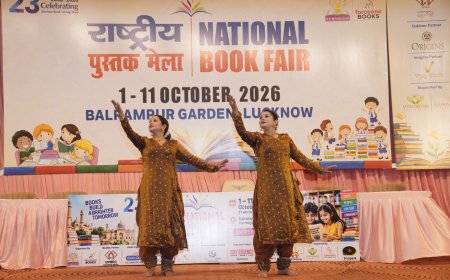
Lucknow’s artistic heritage is incomplete without Kathak, the classical dance form that reached its expressive peak in the Lucknow Gharana. Known for its graceful movements, intricate footwork, fluid spins, and emotive storytelling, Kathak here emphasizes nazakat (delicacy) and abhinaya (expression). The rhythmic dialogue between the dancer’s feet and the ghungroo bells creates a mesmerizing narrative that blends music, poetry, and motion into a single, elegant form.
Another refined yet lesser-known tradition is Awadhi miniature painting. Flourishing under royal patronage, this art form captured courtly life, romantic moments, and cultural rituals with flowing lines, rich colors, and intimate detail. Artists like Mihr Chand painted visual chronicles of Nawabi elegance, offering delicate windows into history.
Lucknow’s architecture stands as art in stone. Monuments like the Bara Imambara, with its vast vaulted halls and the enigmatic Bhool Bhulaiyaa, showcase a masterful blend of Islamic, Persian, and Indian design principles—grandeur balanced with ingenuity.
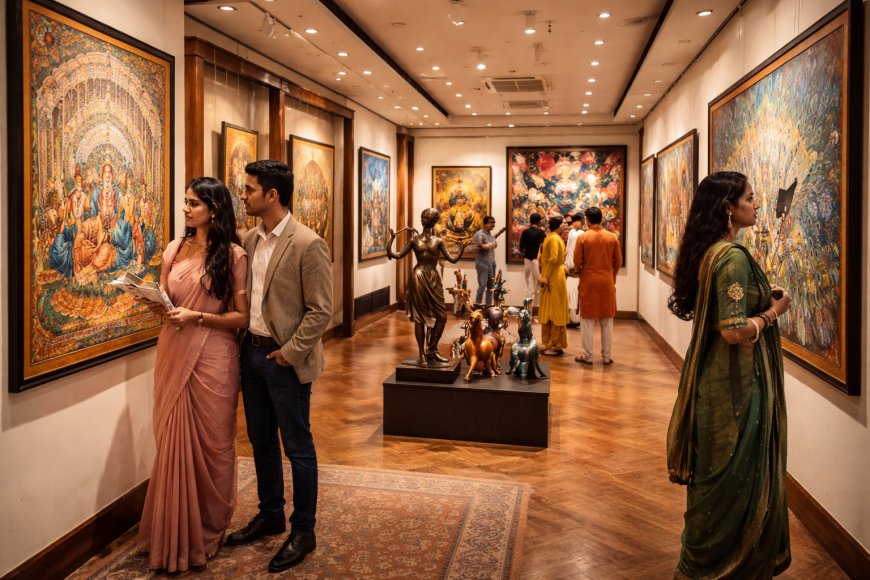
Even in 2026, Lucknow’s artistic pulse remains strong. Contemporary art fairs, modern galleries, and cultural institutions continue to reinterpret tradition through new mediums and ideas. From centuries-old crafts to cutting-edge expressions, Lucknow remains a living canvas—where every stitch, step, stroke, and structure tells a story of grace, culture, and enduring creativity.
What's Your Reaction?