










AI, Apps, and Analytics: The New Arsenal of Indian Political Campaigns
AI, Apps, and Analytics: The New Arsenal of Indian Political Campaigns

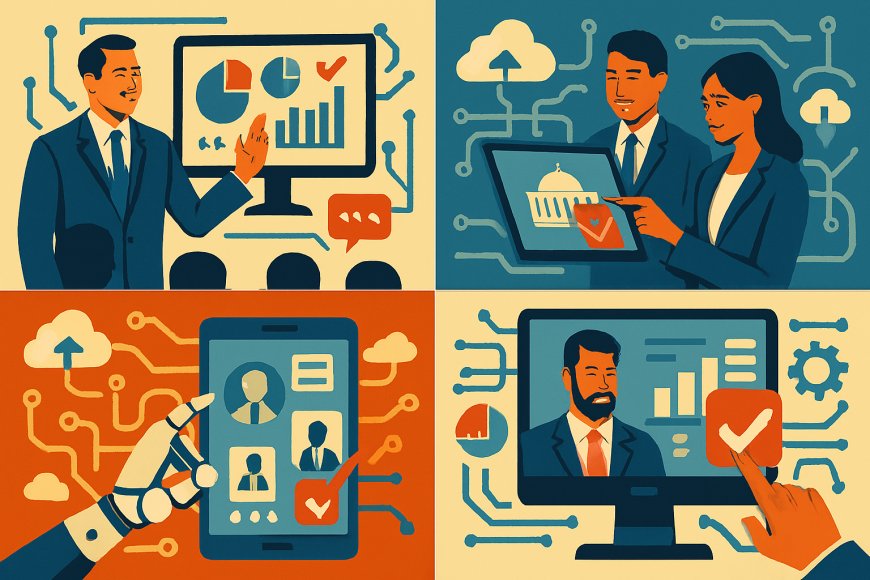
New Delhi: India, the world’s largest democracy, has always been a complex and vibrant electoral battleground. With over 968 million eligible voters in the 2024 general elections, political campaigning in the country has evolved into a massive exercise of scale, strategy, and persuasion. What truly set the 2024 Lok Sabha elections apart, however, was the unprecedented role of technology—so much so that it is widely being described as India’s first full-fledged “AI Election.”
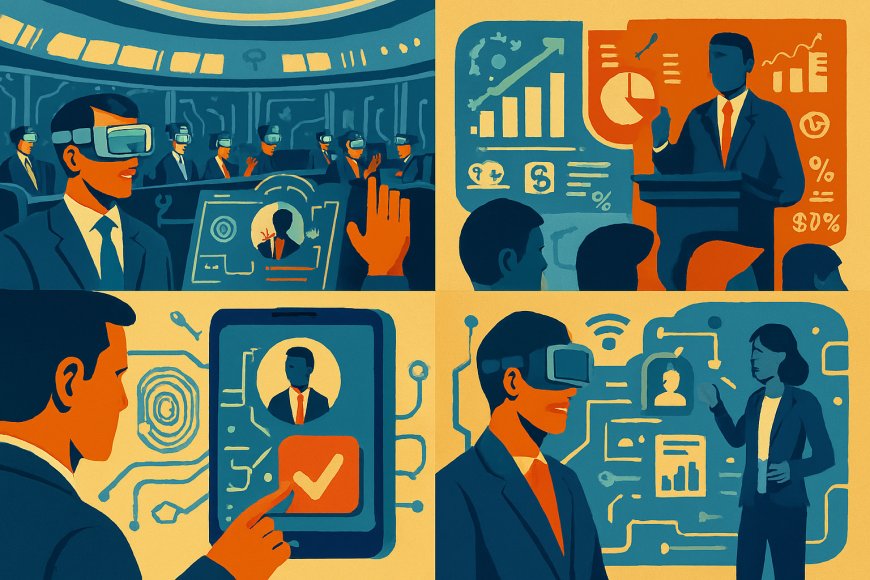
Political parties reportedly spent nearly USD 50 million on artificial intelligence–driven tools and digital strategies alone. From data analytics and social media ecosystems to generative AI and real-time language translation, technology reshaped how parties communicated with voters across regions, languages, and demographics. Messages were customized in all 22 official languages and hundreds of dialects, allowing campaigns to reach deep rural pockets as well as digitally native urban youth. While this revolution made politics more inclusive and efficient, it also raised serious concerns about misinformation, deepfakes, and ethical boundaries.
At the forefront of this technological surge was the Bharatiya Janata Party (BJP), led by Prime Minister Narendra Modi. The party’s highly structured IT cell, under national in-charge Amit Malviya, orchestrated one of the most sophisticated digital campaigns in Indian political history. Millions of WhatsApp groups—some estimates place the number at over 50 lakh—were used to circulate curated messages, videos, and local narratives. The NaMo App emerged as a central command hub, enabling voter engagement, feedback collection, volunteer mobilization, and direct communication between leadership and supporters.
One of the BJP’s most striking innovations was the use of AI-generated personalized videos. Beneficiaries of government schemes and party volunteers received customized messages in which the Prime Minister appeared to address them by name, referencing specific welfare schemes relevant to their profile. Voice cloning and lip-sync technology made these interactions feel intimate and direct, redefining voter outreach at scale.
Language diversity, long considered a challenge in national campaigning, was tackled through the use of Bhashini, a government-developed AI translation platform. During the Kashi Tamil Sangamam event in December 2023, Modi delivered a speech in Hindi that was instantly translated into Tamil for listeners through live audio feeds. This technology was later extended to multiple Indian languages, allowing him to virtually “speak” across linguistic barriers. The initiative reinforced the idea that technology could make Indian politics more inclusive rather than centralized.
Interestingly, Modi also embraced the lighter side of AI-driven creativity. A viral deepfake video showing him dancing energetically to a garba tune circulated widely during the campaign. Instead of criticizing the misuse of AI, he shared the clip himself, praising the creativity of young Indians. The move humanized his image, amplified digital engagement, and demonstrated a sharp understanding of online culture.
Behind much of the data-centric approach in Indian elections lies political strategist Prashant Kishor, founder of the Indian Political Action Committee (I-PAC). Kishor pioneered micro-targeted campaigning in India by blending big data with ground-level organization. His methods—missed-call campaigns, booth-level voter profiling, real-time sentiment tracking, and rapid narrative management—have influenced nearly every major party’s campaign machinery. Today, digital “war rooms” inspired by his model have become standard practice.
AI-powered voice outreach also played a significant role, with millions of automated calls delivered in local accents and dialects. Regional parties adopted emotionally charged AI strategies, recreating voices and images of deceased leaders such as M. Karunanidhi, J. Jayalalithaa, and Buddhadeb Bhattacharya to appeal to loyal voter bases. While effective, these techniques blurred ethical lines between memory, manipulation, and consent.
The darker side of technology surfaced through the widespread circulation of malicious deepfakes. Fabricated videos and altered audio clips targeting political leaders and celebrities triggered legal complaints and public confusion. Experts like AI technologist Divyendra Singh Jadoun warned that unchecked AI use could manipulate vulnerable sections of society, particularly the elderly and digitally inexperienced voters.
In response, the Election Commission of India issued advisories mandating rapid takedowns of deepfake content and disclosures for AI-altered media. Yet, the challenge remains vast in a country with uneven digital literacy.
As political analyst Neerja Chowdhury aptly observed, Indian elections have shifted from mass rallies to micro-targeted digital persuasion. Technology has not replaced traditional campaigning—it has amplified it. As India looks toward future elections, strengthening regulation, promoting media literacy, and ensuring ethical AI use will be essential to preserving the integrity of the democratic process in this new digital age.
What's Your Reaction?