


















2026 FIFA World Cup: Biggest, Boldest Football Spectacle Ever
2026 FIFA World Cup: Biggest, Boldest Football Spectacle Ever

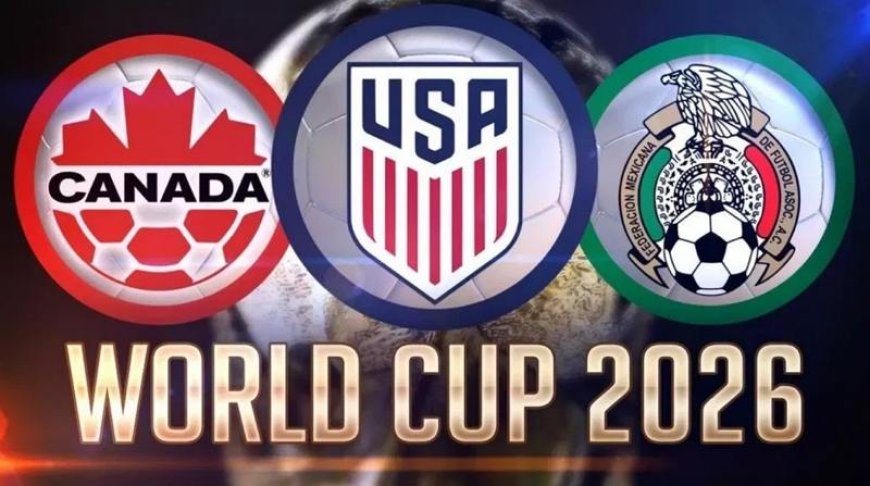
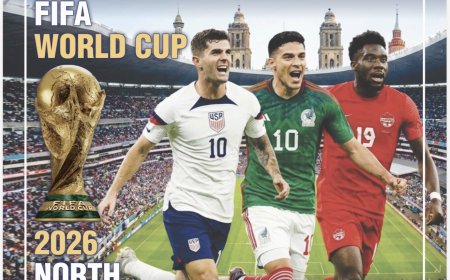
New Jersey: As the world edges closer to 2026, anticipation around the FIFA World Cup is reaching unprecedented levels. This edition is set to redefine football’s grandest stage, not just in scale but in ambition, innovation, and global reach. For the first time in history, the World Cup will be hosted by three nations—the United States, Mexico, and Canada—turning the tournament into a truly continental celebration of the beautiful game.
The tournament kicks off on June 11, 2026, with Mexico taking on South Africa at the legendary Estadio Azteca in Mexico City. Already steeped in football folklore, the Azteca will become the only stadium to host three World Cup opening matches, having previously staged the openers in 1970 and 1986. The final will be played on July 19 at MetLife Stadium in East Rutherford, New Jersey, marking the climax of a 39-day football marathon unlike any before.
What truly sets the 2026 World Cup apart is its expanded format. For the first time, 48 teams will compete, up from the traditional 32. These teams will be divided into 12 groups of four, with the top two teams from each group, along with the eight best third-placed sides, advancing to a newly introduced Round of 32. In total, 104 matches will be played, making it the largest World Cup ever in terms of games and participating nations. For the eventual champions, the road to glory will be longer and tougher, requiring eight wins instead of the usual seven.
FIFA President Gianni Infantino has described the tournament as “transformative,” calling it a historic moment for world football. His vision goes beyond the pitch. In a groundbreaking move, the 2026 final will feature a Super Bowl-style halftime show, produced in collaboration with Global Citizen. Coldplay’s Chris Martin and Phil Harvey will help curate a lineup of global artists, merging sport and entertainment on a scale never seen before at a World Cup. According to Infantino, the idea is to harness football’s unmatched power to unite people while adding unique cultural moments to the spectacle.
The hosting spread is equally impressive. Sixteen venues across North America will stage matches—11 in the United States, three in Mexico, and two in Canada. From the futuristic SoFi Stadium in Los Angeles, which will host the United States’ opening match, to the cavernous AT&T Stadium in Dallas with a capacity exceeding 94,000, fans can expect world-class infrastructure and electrifying atmospheres. Mexico’s historic Estadio Azteca, Estadio Akron in Guadalajara, and Estadio BBVA in Monterrey add tradition and passion, while Canada’s venues in Toronto and Vancouver highlight the tournament’s truly international flavour.
To ease logistics for teams and supporters, FIFA has clustered host cities into regional groups, reducing travel fatigue and allowing fans to immerse themselves in multiple matches within the same area. Beyond the stadiums, entire cities will transform into football carnivals. New York’s Times Square, for instance, is expected to become a massive fan hub during the finals weekend, complete with live performances and global broadcasts.
The football itself promises to be just as compelling. Established superstars and emerging talents will share the spotlight. Lionel Messi has hinted that he may make one final World Cup appearance if fitness permits, calling the prospect “extraordinary.” Kylian Mbappé will be at the peak of his powers, while young stars from Africa, Asia, and Oceania—benefiting from expanded qualification slots—will get a rare chance to shine on the biggest stage. Coaches, too, are feeling the excitement, with many calling it a once-in-a-generation opportunity for their teams.
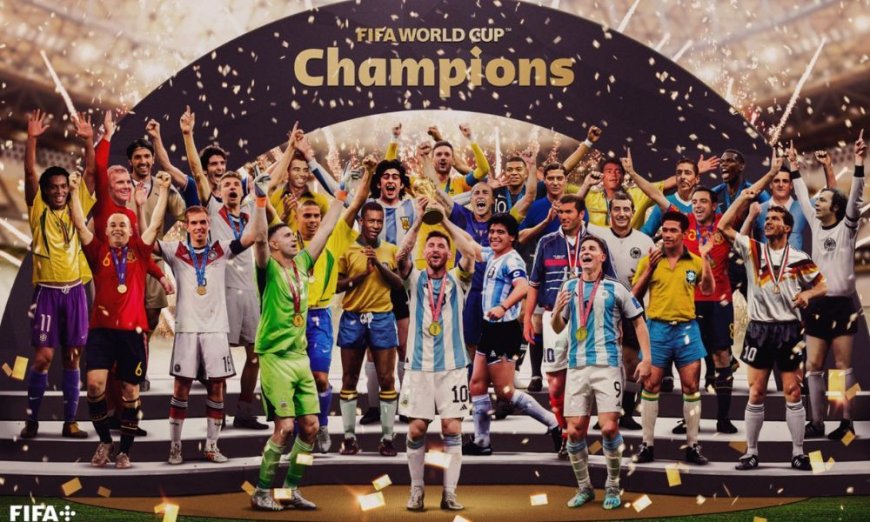
Player welfare has also been a key consideration. With summer heat expected across several host cities, FIFA has introduced mandatory hydration and cooling breaks, along with flexible scheduling, to ensure safety without compromising performance.
Ultimately, the 2026 FIFA World Cup is more than a tournament. It is a cultural festival, a sporting marathon, and a statement of football’s global evolution. With record attendance expected, billions watching worldwide, and innovation at every turn, this World Cup aims to be the most inclusive and spectacular celebration the game has ever seen. As the countdown begins, one question looms large across continents: who will lift the trophy and etch their name into history?
What's Your Reaction?