













Two Lost Souls, One City: A Tender Romance That Grows on You
Two Lost Souls, One City: A Tender Romance That Grows on You

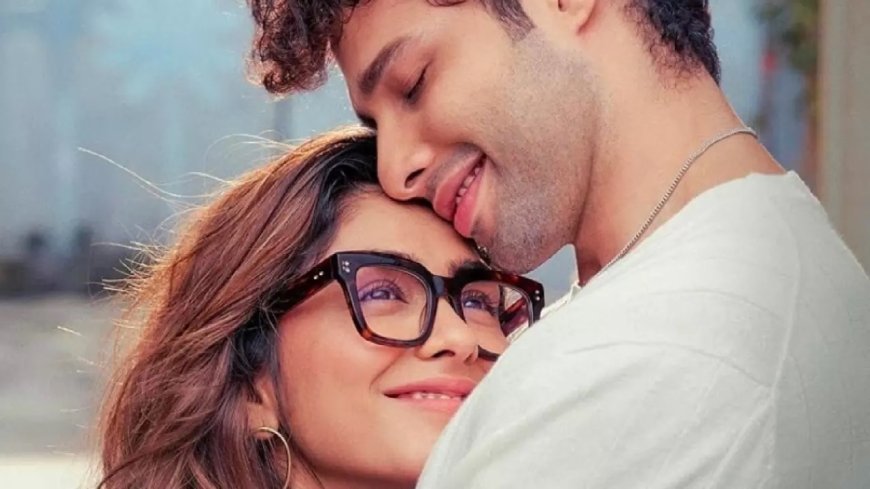
Mumbai: Directed by Ravi Udyawar and backed by Sanjay Leela Bhansali’s production banner, Do Deewane Seher Mein arrives as a soft-spoken antidote to the loud romantic dramas that often dominate Hindi cinema. Released on February 20, 2026, the film stars Siddhant Chaturvedi and Mrunal Thakur as two emotionally bruised millennials searching for connection in the overwhelming sprawl of Mumbai.
A Love Story of Imperfect People
At its heart, the film tells the story of Shashank (Chaturvedi), a young man struggling with a speech impediment, and Roshni (Thakur), a woman weighed down by body image issues and chronic self-doubt. Both are socially awkward, quietly lonely, and achingly human. Their relationship unfolds not through dramatic declarations but through hesitant conversations, shared silences, and the slow dismantling of personal walls.
The narrative evokes the gentle realism of middle-of-the-road Hindi romances from another era—urban, intimate, and rooted in everyday life. Mumbai is not glamorized; instead, it breathes as a restless, living organism—through metro rides, roadside chai stalls, and fleeting glances beneath neon lights. Occasional shifts to quieter landscapes mirror the characters’ internal journeys toward emotional clarity.
While the screenplay by Abhiruchi Chand keeps the emotional beats relatable, it often stretches simple conflicts longer than necessary. The premise is tender but predictable, and the film’s nearly unhurried pacing occasionally tests patience.
Performances: Mrunal Thakur Shines
The emotional anchor of the film is Mrunal Thakur. She brings depth, fragility, and lived-in vulnerability to Roshni, making her insecurities feel authentic rather than performative. Thakur captures the quiet ache of self-doubt with remarkable restraint, and her performance lingers long after the credits roll.
Siddhant Chaturvedi complements her with an earnest, charming portrayal of Shashank. He leans into his strengths—gentle humor, sincerity, and understated warmth. Though he doesn’t dramatically stretch beyond his established screen persona, he remains consistently engaging. Their chemistry blossoms gradually, particularly in quieter, unscripted-feeling moments.
Supporting actors like Ila Arun and Mona Ambegaonkar add texture without diverting attention from the central pair.
Direction, Visuals, and Music
Ravi Udyawar crafts a slow-burn romance with sensitivity. Eschewing gloss for authenticity, he allows real Mumbai locations to shape the film’s mood. Cinematographer Kaushal Shah captures the city with poetic restraint—transforming its chaos into something intimate and reflective.
Music plays a vital role in sustaining the film’s emotional timbre. The inclusion of the classic “Do Deewane Shaher Mein” (from Gharaonda) is a nostalgic masterstroke, while newer tracks like “Aasman,” composed by Hesham Abdul Wahab and sung by Jubin Nautiyal and Neeti Mohan, add a soothing melancholy. The soundtrack complements the film’s theme of quiet healing.
However, the film’s biggest weakness remains its pacing. The first half, in particular, feels overstretched. The conflicts lack urgency, and moments that aim for charm occasionally feel repetitive.
Critical and Audience Response
Critical reception has been mixed to moderately positive. Some outlets praise its grounded storytelling and emotional authenticity, celebrating its embrace of flawed, real-world love. Others critique its bland writing, lack of dramatic momentum, and absence of the “deewanapan” one might expect from a romance bearing such a title.
The box office opened modestly, relying largely on urban word-of-mouth to sustain momentum.
The Ultimate Take
Do Deewane Seher Mein is a tender, introspective romance that prioritizes emotional honesty over spectacle. It may not redefine the genre or offer high-octane drama, but it provides a refreshing portrayal of imperfect individuals finding solace in one another amid urban chaos.
For viewers who appreciate slow, character-driven storytelling and understated performances—particularly Mrunal Thakur’s quietly powerful turn—this film is worth experiencing. Those seeking dramatic twists or energetic pacing, however, may find it uneven.
Rating: ★★★☆☆ (3/5)
A warm, understated gem for patient audiences who believe love doesn’t need fireworks to feel real.
What's Your Reaction?