












Gorakhpur’s Enduring Charm Lies Beyond Its Busy Streets

Stepping into Gorakhpur feels like entering a city that thrives on contrasts. Temple bells echo alongside railway announcements, crowded markets stand beside peaceful lakes, and centuries-old spiritual traditions coexist with the fast pace of a growing urban center. Often called the spiritual heart of Purvanchal, Gorakhpur is much more than a transit point to Nepal or a political stronghold. It is a city layered with devotion, history, resilience, and cultural warmth.
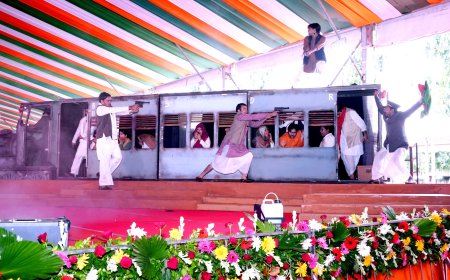
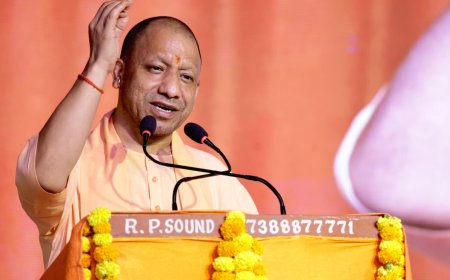
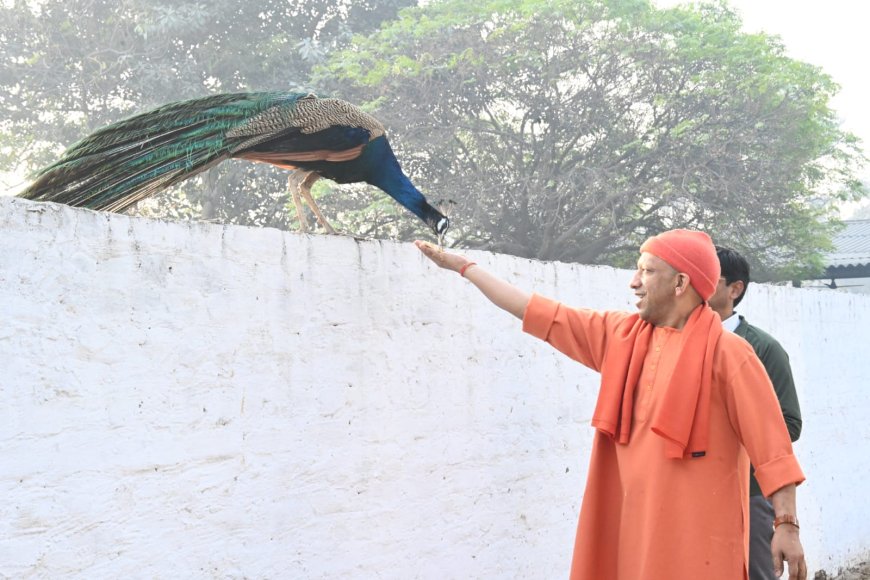
Named after the revered yogi Guru Gorakhnath, Gorakhpur derives its identity from the Nath tradition, one of India’s oldest spiritual lineages. The city’s connection with Guru Gorakhnath continues to shape its character even today. Over centuries, the region witnessed Mughal influence, Awadh administration, and key moments in India’s freedom movement, including the historic Chauri Chaura incident of 1922 that altered the course of Mahatma Gandhi’s Non-Cooperation Movement. Modern-day Gorakhpur also holds political significance as the home base associated with Uttar Pradesh Chief Minister Yogi Adityanath.
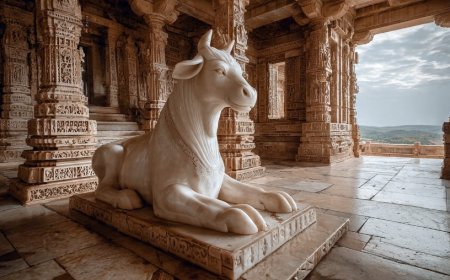
At the center of the city stands the iconic Gorakhnath Temple, a sprawling spiritual complex that attracts thousands of devotees daily. Visiting the temple before sunrise offers an unforgettable experience. The early morning air carries the fragrance of incense, rhythmic chants, and the sound of bells as devotees gather for the mangal aarti. The temple complex houses the samadhi of Guru Gorakhnath, shrines dedicated to Shiva, Hanuman, and Bhairav, along with the sacred eternal flame known as the Divya Jyoti.
Despite its spiritual intensity, the atmosphere remains welcoming and peaceful. Sadhus meditate quietly, cows move freely inside the gaushala, and families gather to offer prayers and khichdi, especially during Makar Sankranti. The temple is not only a religious site but also a center for education, healthcare, and social welfare, reflecting the Nath tradition’s emphasis on public service.
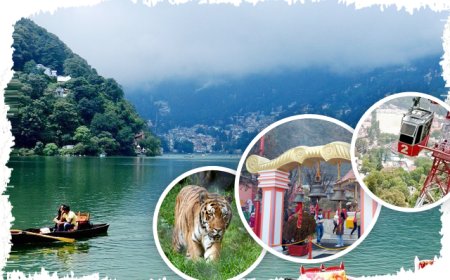
Away from the spiritual energy of the temple, Ramgarh Taal offers a calmer side of the city. The large lake has become one of Gorakhpur’s most popular recreational spaces, surrounded by parks, walking tracks, and boating facilities. As the sun sets, locals gather along the waterfront to enjoy cool breezes, tea stalls, and lively street food. The contrast between the serenity of the lake and the bustle of the city perfectly captures Gorakhpur’s unique rhythm.
Another important cultural landmark is Gita Press, widely regarded as the world’s largest publisher of Hindu religious texts. Established in 1926, the institution has played a major role in making scriptures like the Bhagavad Gita, Ramayana, and Mahabharata accessible to millions of households across India. Walking through its printing halls and book sections offers a glimpse into a legacy rooted in spirituality and knowledge.
Gorakhpur also serves as a gateway to several important Buddhist destinations. Kushinagar, where Lord Buddha attained Mahaparinirvana, lies a short drive away, while Lumbini, the birthplace of Buddha, can also be reached conveniently from the city. These nearby destinations strengthen Gorakhpur’s identity as part of the broader Buddhist heritage circuit of northern India.
The city’s culinary landscape reflects the earthy flavors of eastern Uttar Pradesh. From smoky litti chokha and spicy chaat to jalebis, rabri, and steaming kulhad chai, Gorakhpur’s street food culture is deeply rooted in local traditions. Evening markets around Golghar and Ramgarh Taal come alive with food stalls serving everything from momos to falooda, offering visitors an authentic taste of Purvanchal.
What makes Gorakhpur memorable is not polished tourism or luxury experiences. Its charm lies in its authenticity. It is a city where spirituality is lived daily, where history still shapes local identity, and where simplicity carries depth. Whether one arrives seeking faith, heritage, culture, or merely a stopover on the road to Nepal, Gorakhpur leaves behind a lasting impression — grounded, spiritual, and unmistakably alive.
What's Your Reaction?