

























The Epstein Files: Inside a Scandal That Refuses to Fade
The Epstein Files: Inside a Scandal That Refuses to Fade

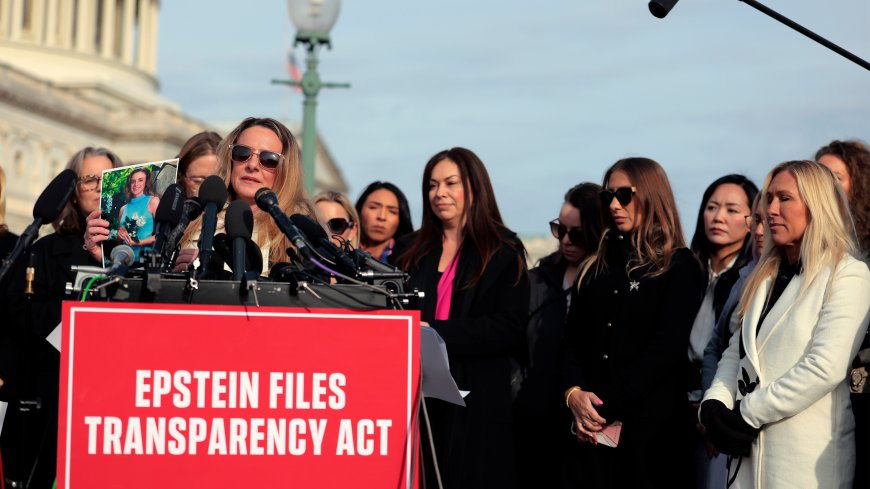
Washington: More than six years after Jeffrey Epstein’s death in a New York jail cell, his name continues to reverberate across courtrooms, political corridors, and public consciousness. The release of the so-called Epstein files has ensured that the disgraced financier’s legacy is not buried with him. Instead, it has evolved into one of the most disturbing case studies of power, privilege, and prolonged injustice in modern American history.
The Epstein files are not a single dossier but a sprawling archive of court documents, witness testimonies, emails, photographs, flight logs, and investigative records collected over decades. Released in stages, with major disclosures in 2024 and 2025, the files culminated in a massive Justice Department release on December 19, 2025, reigniting debates over accountability, transparency, and the protection enjoyed by the elite.
How Epstein Escaped Justice for Decades
Epstein’s criminal conduct first surfaced publicly in 2005, when Florida police investigated allegations that he had molested underage girls at his Palm Beach mansion. Despite evidence pointing to more than 30 victims, Epstein secured a highly controversial non-prosecution agreement in 2008. The deal allowed him to plead guilty to minor state charges and serve just 13 months in a private wing of a county jail with work-release privileges, an outcome that later drew widespread condemnation.
Federal prosecutors revisited the case in 2019, charging Epstein with sex trafficking minors across state lines. Before the trial could begin, Epstein died by suicide in jail, a development that fueled conspiracy theories and public mistrust. His close associate, Ghislaine Maxwell, was later convicted in 2021 for her role in recruiting and grooming underage girls and was sentenced to 20 years in prison.
The 2024 Unsealing and Familiar Names
The modern push for transparency gained momentum through a defamation lawsuit filed by survivor Virginia Giuffre. In January 2024, a federal judge ordered the unsealing of more than 900 pages linked to the case. These documents revealed the names of numerous high-profile figures associated with Epstein, though many references were contextual rather than accusatory.
Former US President Bill Clinton appeared repeatedly in flight records and witness statements, though he has consistently denied any wrongdoing. Britain’s Prince Andrew faced the most serious fallout, having been directly accused by Giuffre, leading to a 2022 settlement and the stripping of his royal titles. Other prominent names, including academics, entertainers, and lawyers, surfaced in the files, but the disclosures did not result in new criminal charges.
The documents painted a chilling portrait of Epstein’s methods. Young girls, some as young as 14, were recruited through false promises of modeling work, tutoring, or massages. Many came from unstable backgrounds, making them especially vulnerable to exploitation.
Escalation in 2025
Public pressure intensified in 2025, pushing the US government to release more material. In February, newly declassified documents included flight logs, contact lists, and trial exhibits from the Maxwell case, though heavy redactions shielded victims’ identities. Officials acknowledged that Epstein’s network involved hundreds of alleged victims and a wide circle of enablers, though few have faced legal consequences.
By September, congressional investigators released tens of thousands of pages of emails and estate records. These revealed Epstein’s continued efforts to court influence even after his 2008 conviction, underscoring how social access and wealth helped him maintain relevance. A disputed birthday note allegedly linked to Donald Trump drew scrutiny, though Trump denied authoring it.
December 19 and the Transparency Backlash
The most controversial release arrived on December 19, 2025, under a new transparency law. Thousands of documents were uploaded to a public database, including early survivor complaints, FBI raid photographs, and hundreds of images from Epstein’s properties. Some photos showed Epstein in social settings with well-known public figures, further fueling debate over proximity versus culpability.
Despite expectations of full disclosure, the release was heavily redacted. Entire pages were blacked out, and key grand jury records were withheld, prompting criticism from both political parties. Lawmakers accused the Justice Department of failing to meet the law’s disclosure requirements, while survivors expressed frustration over incomplete access and technical barriers.
What the Files Ultimately Reveal
The Epstein files have not delivered a single explosive revelation capable of dismantling an alleged global blackmail ring. Instead, they expose something arguably more unsettling: a system that repeatedly failed to protect vulnerable victims while accommodating a wealthy predator. From ignored complaints in the 1990s to a lenient plea deal in 2008, the documents highlight how status and connections delayed justice.
Calls for further congressional investigations continue. Whether additional unredacted releases will follow remains uncertain. What is clear, however, is that the Epstein files have permanently altered public understanding of how power can shield abuse—and how transparency, even when incomplete, can force uncomfortable truths into the open.
What's Your Reaction?