





















Catching Masters of the Skies Young
Catching Masters of the Skies Young

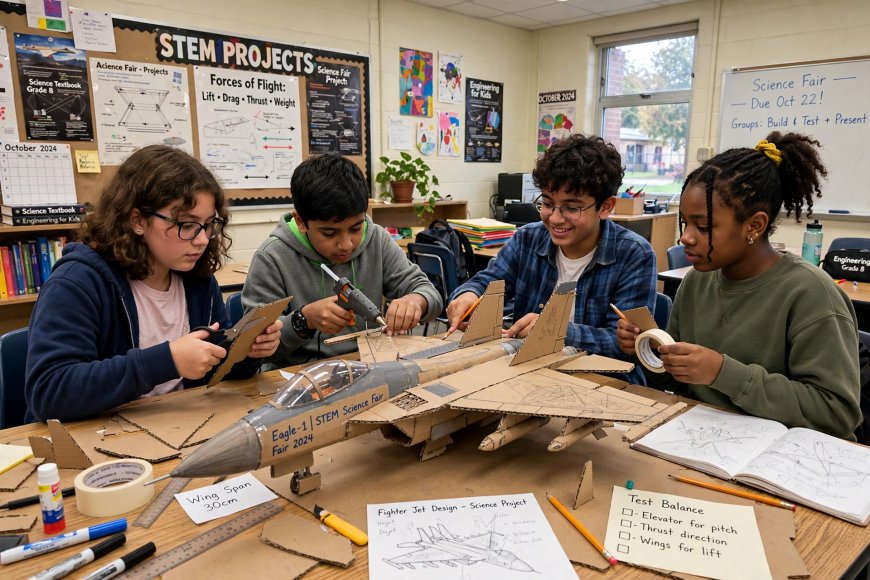
Aeroplane modelling is more than assembling miniature aircraft. It is a combination of creativity, precision, patience and technical understanding. Whether you are participating in a school competition, a science exhibition or an aeromodelling event, the key to success lies in choosing the right design, using suitable materials and paying attention to every detail.
1. Choose the Right Aircraft Design
Start by understanding the competition rules. Find out whether the event requires a static model, a flying model or a powered aircraft. For beginners, simple designs such as gliders, paper aeroplanes or lightweight foam aircraft are excellent starting points. Choose a design that matches your skill level, available materials and the judging criteria.
2. Select the Best Materials
The choice of materials can significantly influence the model's appearance, weight and performance. Lightweight foam sheets, balsa wood, cardboard and suitable adhesives are commonly used for different types of models. For flying aircraft, keep the structure light but strong enough to withstand handling and flight. Avoid unnecessary decorations that add weight or affect balance.
3. Focus on Accuracy and Symmetry
Precision is one of the most important aspects of aeroplane modelling. Ensure that both wings are symmetrical, the fuselage is straight and the tail is properly aligned. Even small differences between the two wings can affect flight stability. Use a ruler, pencil and templates to measure and mark components before cutting or assembling them.
4. Understand the Science of Flight
A winning model demonstrates more than craftsmanship. Understanding the four forces of flight—lift, weight, thrust and drag—can help you build a better aircraft. The wing shape, angle of attack, centre of gravity and overall balance influence how an aeroplane flies. For a flying model, make sure its centre of gravity is positioned according to the design instructions.
5. Test, Improve and Practise
Never wait until competition day to test your model. Conduct repeated trials in a safe, open area, following the event's safety rules. Observe whether the aircraft climbs, glides, turns or stalls. Make small adjustments one at a time, and record the results. For powered models, follow the manufacturer's instructions and seek adult supervision where appropriate.
6. Make Your Presentation Stand Out
If the competition involves a static display, pay attention to paintwork, finishing and historical or technical accuracy. Keep the model clean, label its important components and prepare a short explanation of its design, materials and working principles. Judges appreciate participants who can clearly explain what they have built and why.
7. Stay Calm and Confident
The winning formula is simple: a well-planned design, careful construction, repeated testing and a clear understanding of aerodynamics.
What's Your Reaction?