










Brushes Across Generations: Banaras Miniatures
Brushes Across Generations: Banaras Miniatures

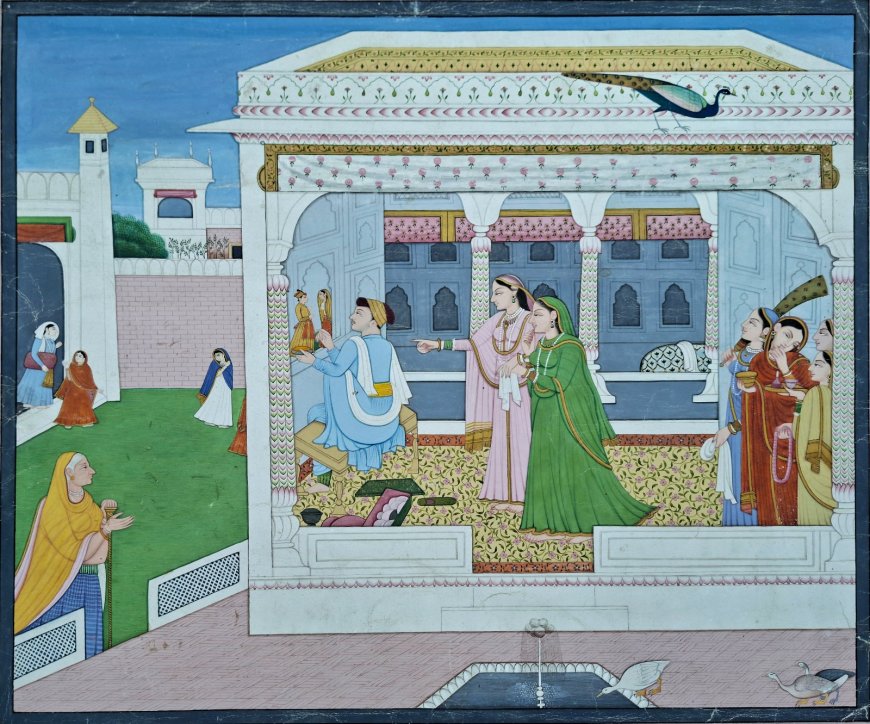
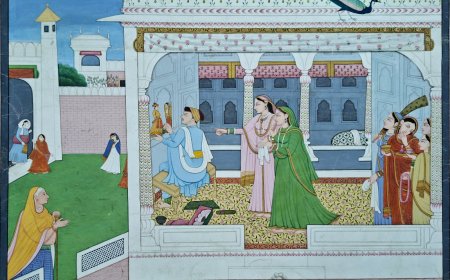
At Kokoro Art Gallery, a small painting can take weeks to finish. A new exhibition, MINIATURES: Banaras Gharana, showed how that patience has been passed from teacher to student for generations.
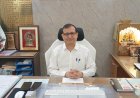
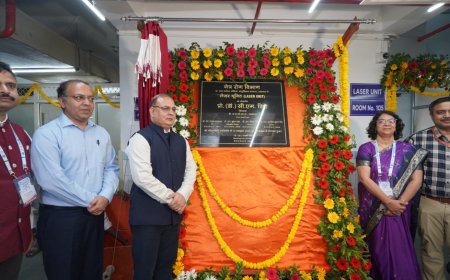
The show opened on October 6. Amrit Abhijat, IAS, Additional Chief Secretary for Tourism, Culture and Transport in Uttar Pradesh, inaugurated it. Vandana Sehgal curated it around the idea of “A Repertoire of Paintings by Generations.”
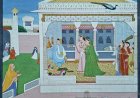
It brought together 39 works in natural colours by seven artists from one lineage: Ustad Mulchand Prasad, Ustad Ram Prasad, Ustad Sharda Prasad, Ustad Mukund Prasad, Ustad Gopal Prasad, Vansh Shri Yadav and Ankit Prasad.
Sehgal said miniature painting is more than small canvases. It is a language of fine lines, delicate brushwork, natural pigments, polished surfaces and tiny details. The tradition runs from Buddhist and Jain manuscripts through the Mughal, Rajasthani, Pahari and Deccani schools.
The Banaras story started in the reign of Shah Alam II. Some Mughal princes were confined in the city, and a few court painters came with them. A young man named Sikhi, from the Ahir community, learned the craft from them and handed it down. Masters such as Ustad Batohi and Ustad Mulchand followed.
Mulchand worked far beyond miniatures. He painted murals, illustrated books and worked in the Company style and in lithography. His murals are recorded at Banaras’s Gopal Mandir and Bageshwari Mandir, and his illustrations for the Ramayana and the Hanuman Bahuk carried the tradition to wider audiences.
Ram Prasad became known for portraits, capturing a sitter’s face, expression and dress with unusual accuracy. He also worked in murals, oils and on ivory. Sharda Prasad kept alive the making of colours and brushes and the care of old paintings, and was associated with Bharat Kala Bhavan at Banaras Hindu University. His work shows plants, animals, landscapes and daily life.
Mukund Prasad blended Mughal technique with Pahari and Rajasthani influences. Gopal Prasad added another role as researcher and writer, documenting the tradition through writing, films and academic talks. Ankit Prasad and Vansh Shri Yadav carry the Mughal technical roots into contemporary subjects.
The show’s message was that tradition is not fixed. Each generation adds its own meaning, so the exhibition works as a record of a living teacher-student line and how it keeps changing.
What's Your Reaction?