By Usha Kumari
India's premium brands are arriving in emerging markets after saturating the metros. Name any major brand, and chances are it has already reached full penetration in India's biggest cities.
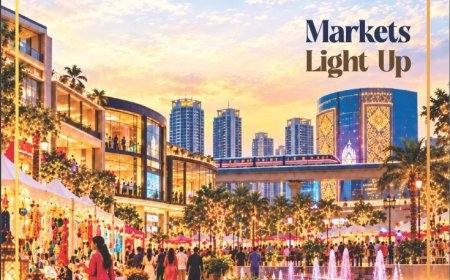
The market has moved beyond these overcrowded megacities and is now eyeing sharp growth in emerging cities like Lucknow, Chandigarh, Ludhiana, and more. An aspirational lifestyle has existed in these cities long before brands took notice. The rising retail destinations will need to unite entertainment, community, personalisation, and colloquial taste to deliver the best experience — one that earns loyalty from a younger, more informed audience that values authenticity above all.
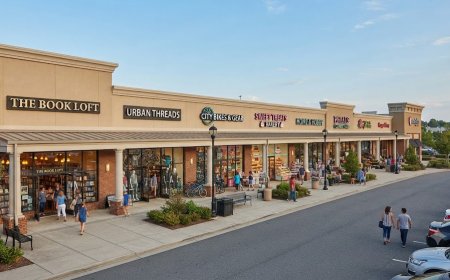
Consumers are looking at alternatives where they do not see shopping as the only activity; they want a complete experience catered to the whole family. As analogue culture returns, customers are finding more reasons to connect with family and friends, and shopping can be one of the excuses to step out of their homes. They want not only shops but cultural relevance curated with activities, with options for fine dining, play arenas, theatres, and more. Next-generation retail destinations are a reflection of personal preference and choice rather than obligation. This lifestyle shift is shaping how retailers are rethinking their approach and bringing customers onto the same horizon.
The best example can be drawn from DLF Retail, as its forward-thinking approach addresses
modern India. The sought-after realtor is known for its innovative strategy, adapted to regional markets, consumer choices, and rapidly changing lifestyles. Its distinctive formats are classified into luxury, premium, destination, and neighbourhood-focused plazas, boasting a commendable brand portfolio of 950 brands. DLF Retail's infrastructure is developed to deliver a unique consumer experience to its catchment areas, as it believes that consumer expectations vary by market and catchment. A wallet should not define the baseline of a consumer's spending.
The newest strategies of expansion and consumption are revolving around Urban Bharat. Urban Bharat relates to cities that are excluded from the metro category and encompasses states like Uttar Pradesh, Bihar, Rajasthan, Madhya Pradesh, Jharkhand, Punjab, and Uttarakhand, along with regions of Gujarat and Maharashtra, excluding Delhi and Mumbai. According to a report, these regions are not dependent on trends dictated by tier-1 cities but have an independent ecosystem and economics. This ecosystem has its own growth engines, strategies, and offerings. As digital-first brands increasingly expand into brick-and-mortar retail, Urban Bharat has become the first choice for new-age retailers and e-commerce players.
Le Press, Phoenix Palassio, and Lulu Mall are Lucknow's top three destination retail hubs,
curated with a premium experience for citizens. Le Press defines the traditional high-street retail destination, situated at the heart of the city, boasting its sprawling space with a mix of
homegrown and exclusive retail brands, and the city's best cafés, attracting the most diverse
customers. Nicobar, Tribe by Amrapali, and Marie Claire are among the few names adding
modernity to next-generation retail. Its heritage relevance adds a flair of taste and stands out as the ultimate destination retail centre. On the other hand, Phoenix Palassio and Lulu Mall are top preferences for nuclear families, offering brands from all categories. One can grab and go, enjoy the restaurants, visit the play arena with their children, and avail salon services, all under one roof.
Another value addition to emerging cities is that future retail destinations will be abundant and one of a kind, personalized to the taste of the city, as competency will be inclined towards efficiency, services, entertainment, and immersive experiences, as they are seen as family destinations. The most fascinating part of these cities is that they are among the youngest in the country, with an average age of almost below 35. After witnessing steep migration to metro cities, the youth have decided to reside in their own cities, as more employment opportunities arise and the internet allows them to work from anywhere. After the pandemic, there has been a shift in employment choices, which is directly reflected in the career choices of people. Opting out of traditional careers and experimenting are the two strategies defining this lifestyle.
Many youngsters are embracing entrepreneurial journeys, and the first-generation business class is aspirational. As more luxury brands look beyond the metros, a shift already underway, emerging markets will no longer wait to be considered. Retail here will grow more self-reliant, rooted, and distinctive, blending homegrown future-forward identity with established names. Community, local relevance, and a well-rounded experience will shape the truest story of Urban Bharat.