























Thirty Years On, a Verdict for Tupac
Thirty Years On, a Verdict for Tupac

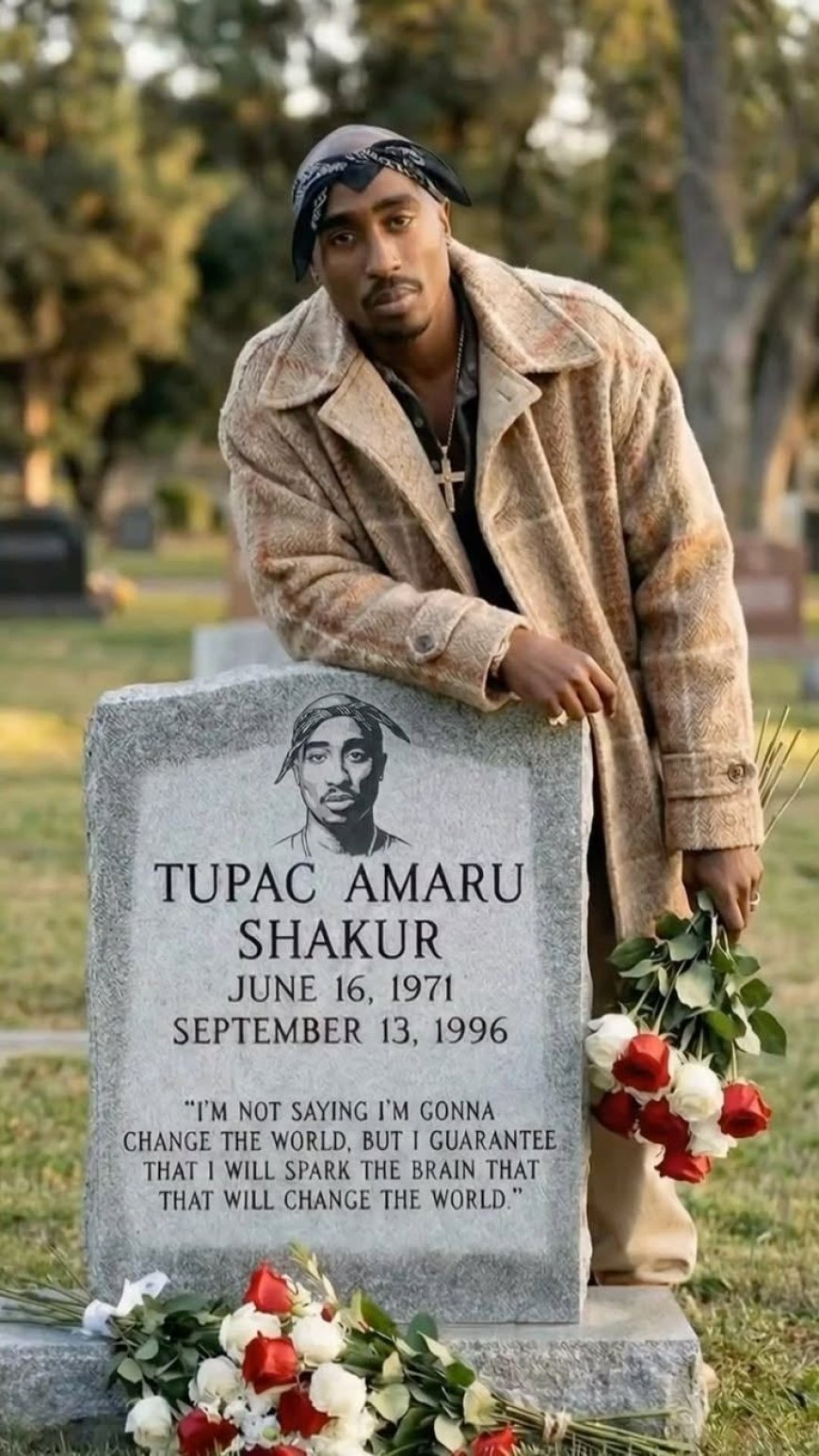
The white Cadillac pulled alongside the black BMW at a red light on Flamingo Road, and for a few seconds the Las Vegas night held its breath. Then came the gunfire. Tupac Shakur, twenty-five years old and riding at the peak of his fame, was hit multiple times. He died six days later, on September 13, 1996.
It took thirty years to put anyone in a prison cell for it.
On October 13, 2026, Clark County District Judge Carli Kierny sentenced Duane Keith “Keffe D” Davis, 63, to 40 years to life: twenty to life for first-degree murder, plus a consecutive twenty to life for use of a deadly weapon. Davis, a former leader of the South Side Compton Crips, is the first and only person convicted in one of music’s most notorious cold cases.
A night that started in a casino lobby
The chain of events began after a Mike Tyson fight at the MGM Grand. In the lobby, Shakur and Death Row Records co-founder Marion “Suge” Knight were involved in a confrontation, and members of their entourage assaulted Orlando “Baby Lane” Anderson, a fellow Crip and Davis’s nephew. Hours later, Shakur sat in the passenger seat of a car driven by Knight when the Cadillac drew up beside them. Knight survived. Shakur did not.
Prosecutors never said Davis pulled the trigger. They described him as the shot-caller: the man who got the weapon, passed it into the back seat of the Cadillac, and authorized the attack as payback amid a longstanding rivalry between the Crips and the Bloods-affiliated Mob Piru tied to Death Row.
The case built from his own words
By any ordinary measure, this should have been unwinnable. No murder weapon was ever recovered. Many potential witnesses had died, and others stayed silent under the code of the streets.
What remained was Davis himself. He had talked: in a 2008 proffer interview with law enforcement while facing drug charges, in media appearances, in a documentary, and in his 2019 memoir, Compton Street Legend, where he detailed his role. Street credibility and book sales, it turned out, came with a cost. Words once offered as bragging rights became the prosecution’s strongest weapon.
Arrested in 2023, Davis was convicted on August 31, 2026, after a trial of roughly two weeks. The jury deliberated for only about three hours.
“It took us 30 years”
At sentencing, Shakur’s family spoke. His sister Sekyiwa described depression, trauma, and the loss of a provider and a “shining prince.” His brother Maurice said Tupac never got a family life or a trial, only a death sentence, and asked for the longest term possible.
Davis had told the court that he had changed, left Compton, and become a grandfather. Judge Kierny was unmoved. “You don’t get to take a man from his family,” she said. “The world never forgot about him and his death, and neither did Las Vegas. It took us 30 years, but at this time, you are going to face justice.” Even with credit for time served, Davis will not be parole-eligible until around age 100.
What the verdict means
For the family and for millions of fans, the sentence offers something that decades of speculation never could: validation. The unsolved killing had fed theories about institutional failure and gang impunity. One conviction does not answer every question, but it says that fame and the passing of time do not buy immunity.
It also shows what cold-case work can do. Investigators revisited old statements and let a suspect’s own storytelling carry the weight. In an age when everything said is preserved, it is a warning about the permanence of words.
And it matters for hip-hop. Shakur remains one of the genre’s most influential voices, a poet, actor, and activist who blended street narrative with social commentary. His death sharpened the East Coast-West Coast rivalry and became a symbol of the human cost of violence glorified in gangsta rap. Resolving the case, even partly, lets the culture look at that history squarely instead of through rumor.
Unfinished business
The story is not entirely closed. Davis plans to appeal. Prosecutors say no other charges appear imminent because evidence against the remaining living participants is insufficient, and questions about who fired the shots may linger. No prison term can return a life or erase decades of absence.
Still, the verdict stands as proof of a simple principle: delay does not extinguish accountability. Thirty years on, the justice system has not forgotten Tupac Shakur either.
What's Your Reaction?