
























Mapping the Cosmos: 47 Million Galaxies in One Stunning View

A Giant Leap in Understanding the Universe’s Hidden Forces
In a groundbreaking achievement for astronomy, scientists have unveiled the largest-ever 3D map of the universe, charting an astonishing 47 million galaxies in unprecedented detail. Created using data from the Dark Energy Spectroscopic Instrument (DESI), this cosmic map offers one of the most comprehensive views yet of the universe’s vast structure—stretching from our own Milky Way to distant epochs known as “cosmic noon,” when galaxies were forming at their peak.
This monumental project, shared in April 2026, reveals a universe that is far from random. Instead, galaxies form an intricate “cosmic web,” clustering along glowing filaments while leaving enormous empty voids in between. Each tiny point in the map represents a galaxy, collectively painting a picture of how matter is distributed across billions of light-years.
Technology That Sees Back in Time
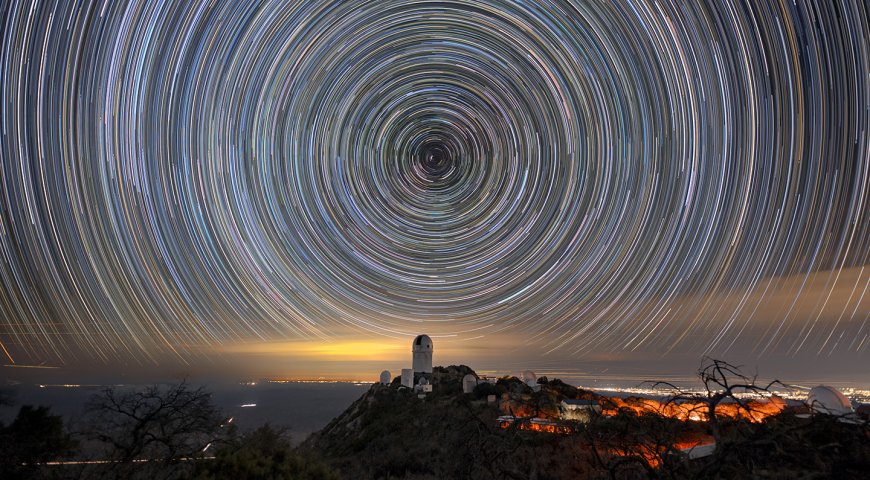
At the heart of this discovery is DESI, mounted on the Nicholas U. Mayall Telescope in Arizona. Equipped with 5,000 robotic fiber-optic sensors, the instrument captures light from distant galaxies with remarkable precision. Because light from these galaxies takes billions of years to reach Earth, the map effectively allows scientists to look back in time and trace how the universe has evolved.
Originally designed to observe 34 million galaxies and quasars, DESI exceeded expectations by cataloging over 47 million galaxies and more than 20 million stars within the Milky Way. The result is not just a static image but a dynamic, three-dimensional model showing how galaxies have moved and clustered over billions of years.
Unlocking the Mystery of Dark Energy
Beyond its visual brilliance, the map serves a deeper scientific purpose: investigating dark energy, the mysterious force believed to drive the universe’s accelerating expansion. Thought to make up nearly 70% of the cosmos, dark energy remains one of physics’ greatest enigmas.
By comparing galaxy distributions across different periods, researchers can study how dark energy has shaped the universe over the past 11 billion years. Early findings suggest that dark energy itself may evolve over time—a possibility that could fundamentally change our understanding of the universe’s fate.
A Global Effort, A Continuing Journey
This achievement is the result of collaboration among over 900 researchers from more than 70 institutions, led by Lawrence Berkeley National Laboratory. With observations set to continue through 2028, scientists aim to expand the map further, targeting even fainter and more distant galaxies.
As this cosmic atlas grows, it promises not only more breathtaking visuals but also deeper insights into the origins, structure, and ultimate destiny of the universe—bringing humanity one step closer to decoding the mysteries of the cosmos.
What's Your Reaction?