





Society Creates Its Own Frankenstein’: Paoli Dam on Ganoshotru
Society Creates Its Own Frankenstein’: Paoli Dam on Ganoshotru

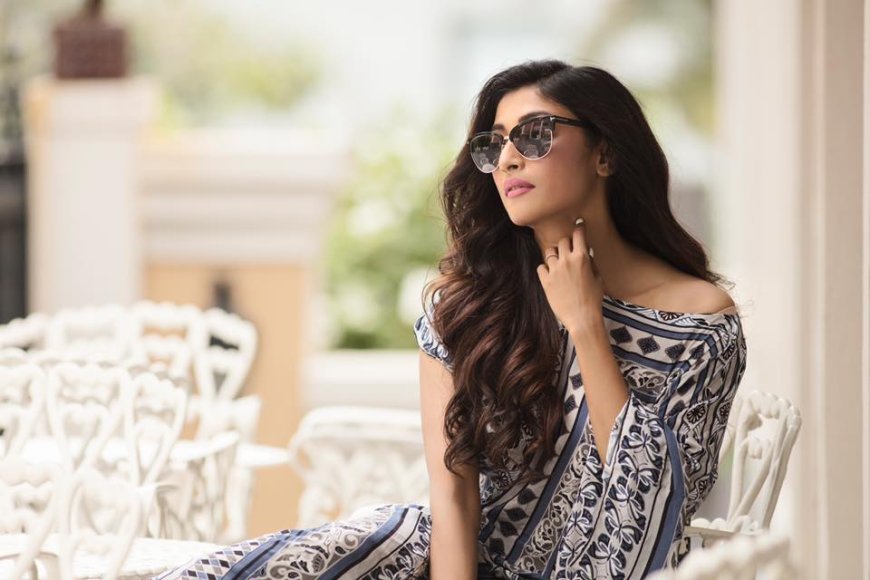
Kolkata /Mumbai: Paoli Dam has long occupied a rare space in Bengali cinema—an actress unafraid of moral grey zones, historical discomfort, or emotionally bruising narratives. With Ganoshotru, the crime-thriller anthology that explores the making of criminals across eras, Paoli once again proves why she is considered one of the industry’s most daring performers. Her character, Troilokko Tarini, is not an easy woman to inhabit. An 18th-century widow sold into a red-light district, Troilokko is shaped by patriarchy, colonial cruelty, and relentless survival instincts, eventually rising to become one of the most feared extortionists of her time.
In this candid interview, she speaks about her preparation, her belief that criminals are shaped by society, and why Ganoshotru feels like only the beginning of Troilokko Tarini’s cinematic journey.
Can you describe your character in Ganoshotru and what drew you to this particular role in a Bengali crime thriller?
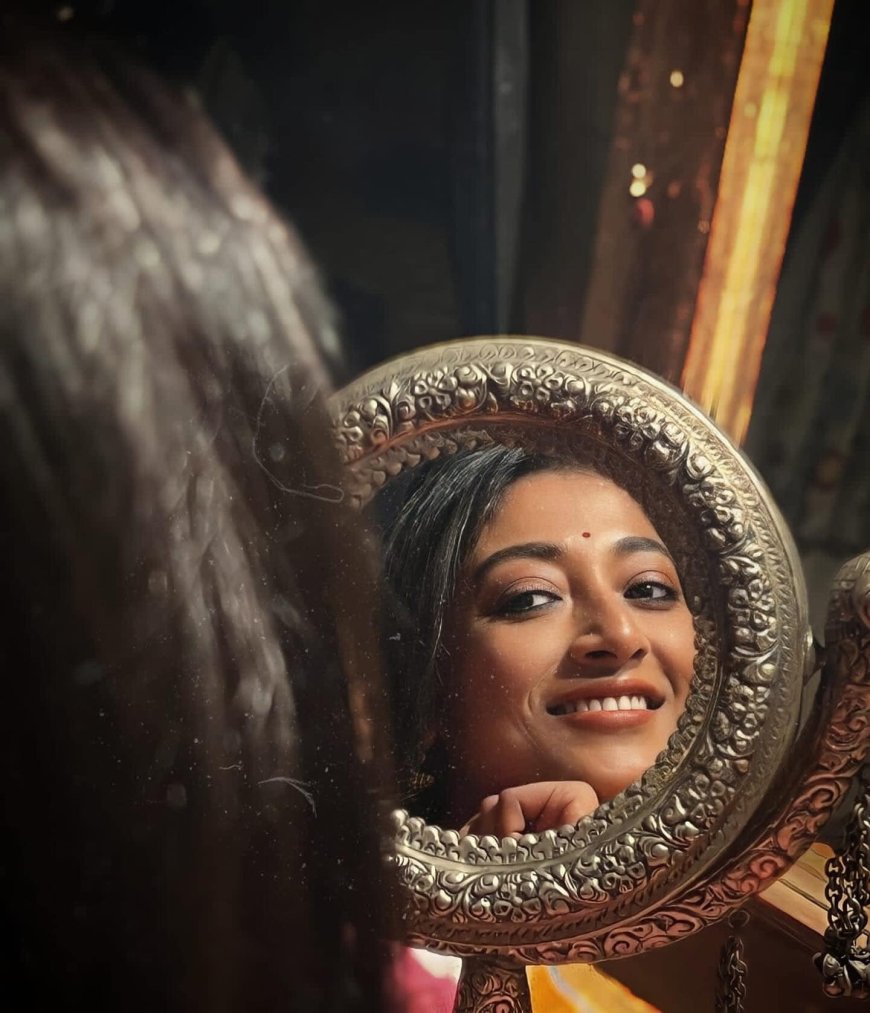
Troilokko Tarini belonged to the 18th century—a young widow who was sold into a red-light district against her will. She was crushed by patriarchy and colonialism at a time when India wasn’t even independent. Her entire journey was about survival and rising above circumstances she never chose. Over time, that journey shaped her into one of the most ruthless extortionists of that era.
What truly fascinated me was her psyche. This is a woman who is forced into an oppressive world, yet she uses intelligence, strategy, and sheer willpower to become the best at what she does. She isn’t born evil. She adapts. She evolves. Troilokko is a real historical character, and I’ve wanted to play her for years. The research I had already done on her life and the period made the role impossible to resist.

What kind of research or preparation did you undertake to authentically portray such a layered character?
My preparation began long before Ganoshotru came to me. I had been reading about Troilokko for years—not just her story, but also the social and political environment of the 18th century. Understanding colonial rule, the treatment of widows, and the functioning of red-light districts at that time was essential.
Troilokko was a woman crushed by patriarchy and colonial power, yet she fought her way out of that crisis. That historical context shaped everything—from her silences to her aggression. Since my episode was around 40–42 minutes and my shoot lasted only three days, all that preparation became my foundation on set. It helped me instinctively respond as Troilokko, without overthinking each moment.

You’ve said that criminals are often created by society rather than born. How does Troilokko embody that idea?
I genuinely believe none of these characters are born criminals; society creates its own Frankenstein. Troilokko is exactly that—a product of her time. She didn’t choose violence or extortion as ambition; she chose survival. When every door is closed to a woman, especially in that era, she builds her own door, even if it leads into darkness.
Troilokko uses survival as her only weapon. She learns the system, manipulates it, and eventually dominates it. That’s what makes her tragic and powerful at the same time. You may not approve of her actions, but you understand why she became who she did.
Your episode was directed by debutant Madhura Palit. How was that collaboration?
It was an extremely enriching experience. Madhura had remarkable clarity for a first-time director. She knew exactly what she wanted from Troilokko, but she was also very open to discussion and exploration. That collaborative environment made a huge difference, especially with such a complex character.
Even though my shoot was short, the team’s dedication made the experience feel intense and fulfilling. We shot at the beautiful Ishapur Rajbari, which added authenticity and atmosphere to every frame. Locations like that help you slip into the period almost effortlessly.

The anthology also features actors like Ayush Das and Debopriyo Mukherjee. Did you get a chance to interact with their characters?
Interestingly, we never meet on screen. Since Ganoshotru is an anthology, Troilokko’s story doesn’t intersect with characters like Rashid Khan, Shajol Barui, or Kuba Shabuk Shamul. But I think it’s a fascinating concept. Imagine if all these characters existed in the same universe—it would be surreal and magical.
Maybe someday someone will bring them together for a larger story. I would absolutely love that. It has immense potential.
What did Ganoshotru teach you as an actor?
It reinforced my belief that even a short role can leave a deep impact if the writing and intent are honest. The response since the release has been overwhelming—people message me every day with their reactions. That’s incredibly gratifying.
What's Your Reaction?