



















COP30: Igniting a Decade of Climate Action in the Heart of the Amazon
COP30: Igniting a Decade of Climate Action in the Heart of the Amazon

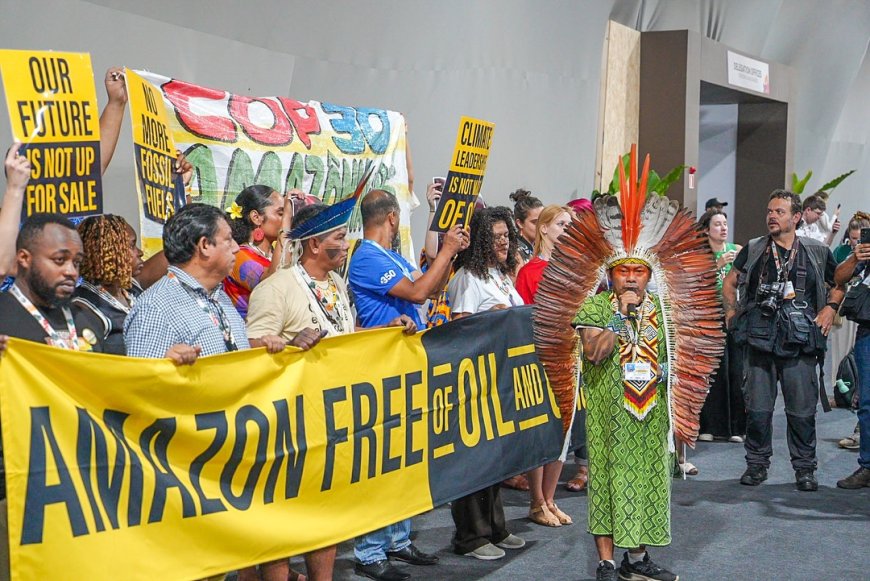
Belem: As the world teeters on the brink of irreversible climate catastrophe, the 30th Conference of the Parties to the UNFCCC—COP30—unfolded in Belém, Brazil, as a beacon of urgency and hope. From November 10 to 21, more than 56,000 delegates converged in the gateway to the Amazon rainforest. Far from a routine diplomatic gathering, this “nature COP” became a pivotal reckoning where global leaders, scientists, activists, and indigenous voiced work to forge pathways toward a 1.5°C-limited future. Hosted in the Hangar Convention Centre amid Pará’s humid expanse, COP30 reflected the raw intersection of biodiversity, equity, and survival. Brazilian President Luiz Inácio Lula da Silva, who announced Belém’s candidacy at COP27, symbolically shifted Brazil’s capital to the Amazonian city for the summit, underscoring the nation’s climate leadership.
The stakes could not be higher. COP30 follows COP29 in Baku, where finance pledges faltered amid allegations of greenwashing. With global temperatures more frequently breaching temporary 1.5°C thresholds, driven by record heatwaves, floods, and wildfires, the summit demanded speed and scale. At the pre-summit Belém Climate Summit on November 6, UN Secretary-General António Guterres warned that “the path to 1.5°C remains open, but only if we ignite a decade of delivery.” At the heart of this push lie Nationally Determined Contributions (NDCs), the Paris Agreement’s engines. Countries were expected to submit ambitious 2035 plans by February 2025, yet over 90% missed the deadline, including major economies like India. Brazil, whose updated NDC emphasizes halting deforestation and expanding renewables, aims to catalyse bolder global commitments.
These updates must align with scientific imperatives—cutting emissions 43% from 2019 levels by 2030 and tripling renewable energy capacity, as agreed during COP28’s Global Stocktake. But the road to ambition runs through finance, the defining tension of COP30. The unfulfilled $100 billion annual pledge by wealthier nations continues to undermine trust. COP29’s attempt to set a New Collective Quantified Goal (NCQG) produced ambiguity instead of clarity. Brazil pushes COP30 toward one word: implementation, demanding transparent tracking of funds for adaptation and loss and damage.
Developing nations—from Nigeria’s 749-member delegation to small island states facing existential threats—argue that climate debt must be repaid through grants, not loans. The UNEP Adaptation Gap Report, released October 29, 2025, paints a grim picture: adaptation finance remains five times below what is needed, leaving vulnerable populations—women, indigenous groups, the poor—most exposed. Guterres calls fulfilling this gap “a legal and moral responsibility and smart economics,” urging protections for nature amid escalating impacts.

Belém’s Amazonian location reinforces COP30’s “nature COP” identity. The rainforest, absorbing 2 billion tons of CO₂ annually, is threatened by logging, mining, and fires. Brazil’s hosting—its first since the 1992 Rio Earth Summit—spotlights indigenous rights and forest finance. Lula highlights a 50% drop in deforestation since 2023, strengthening the Amazon Fund while defending limited oil exploration as economic necessity. Yet tensions persist: a newly built highway cutting through the rainforest, partly justified for summit logistics, sparks backlash from environmentalists, reflecting the enduring conflict between development and preservation.
Side events focus on biodiversity, forest protection, and Article 6 carbon markets, with negotiators cautioning against carbon trading mechanisms that risk greenwashing. Health emerges strongly in COP30’s agenda under “Fostering Human and Social Development.” The Belém Health Action Plan, shaped at the WHO-Brazil Global Conference on Climate and Health in July and updated in September, targets resilience against vector-borne diseases, heat deaths, and food insecurity—threats projected to cause 250,000 additional deaths annually by 2030. In the Amazon, where climate change fuels malaria surges and disrupts indigenous health practices, integrating health into NDCs becomes a moral and practical imperative.
Geopolitical rifts cast long shadows. The U.S., under a Trump administration skeptical of multilateral engagement, sends no high-level officials, frustrating many Global South leaders. Europe, having submitted an updated NDC on November 5 targeting a 90% emissions cut by 2040, emphasizes transparency in climate finance after contributing €30 billion in 2024. China, with 789 delegates, balances coal reliance with dominance in green technology. Australia and Turkey vie to host COP31, revealing the summit’s global influence.
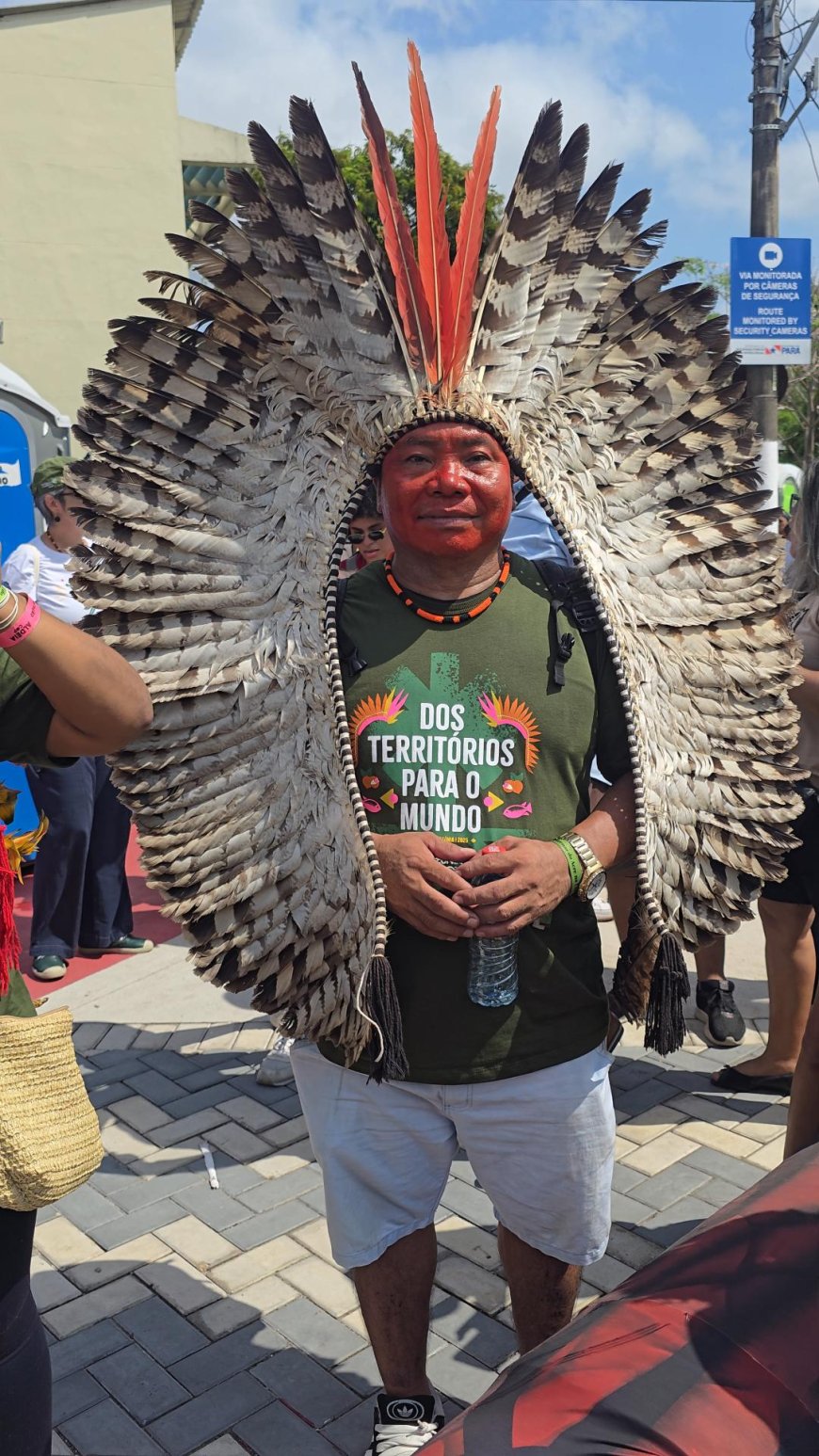
Civil society adds force to the negotiations. From Fridays for Future rallies to indigenous leaders like the Yanomami demanding veto power over extractive projects, public pressure intensifies. Youth innovators pitch blue-carbon technologies, while investors eye a rapidly expanding $3 trillion green bond market. The Nature Conservancy’s COP30 Scorecard evaluates national performance on Amazon protection, urging government–NGO partnerships.
What's Your Reaction?